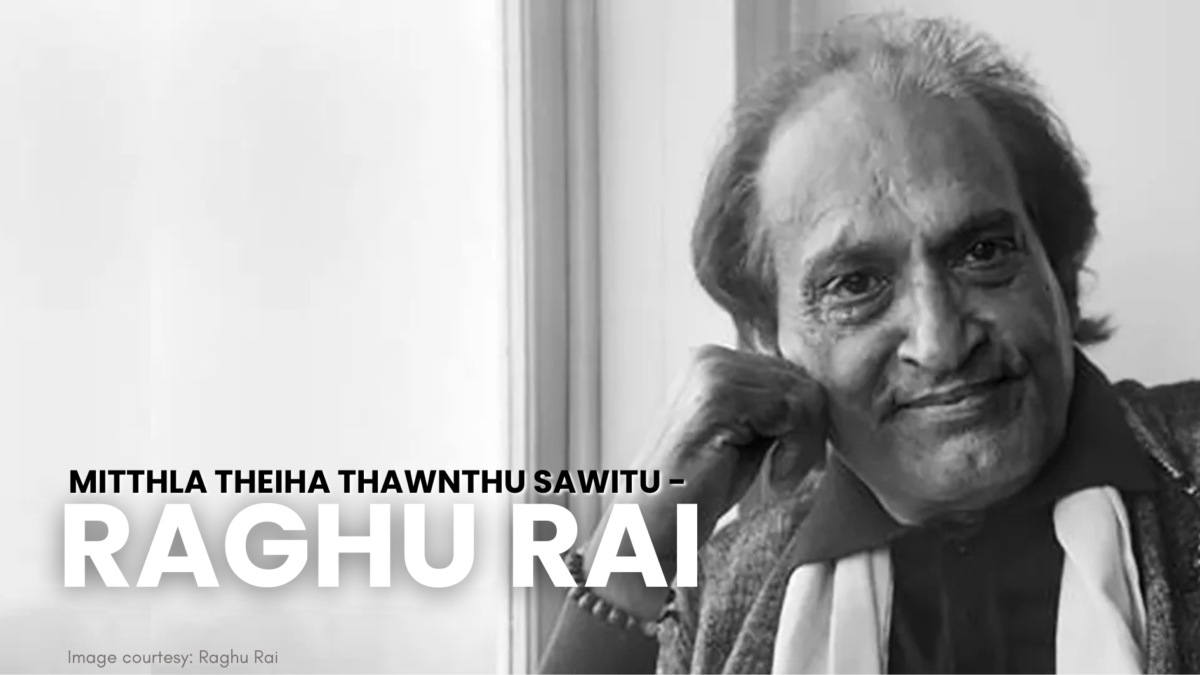
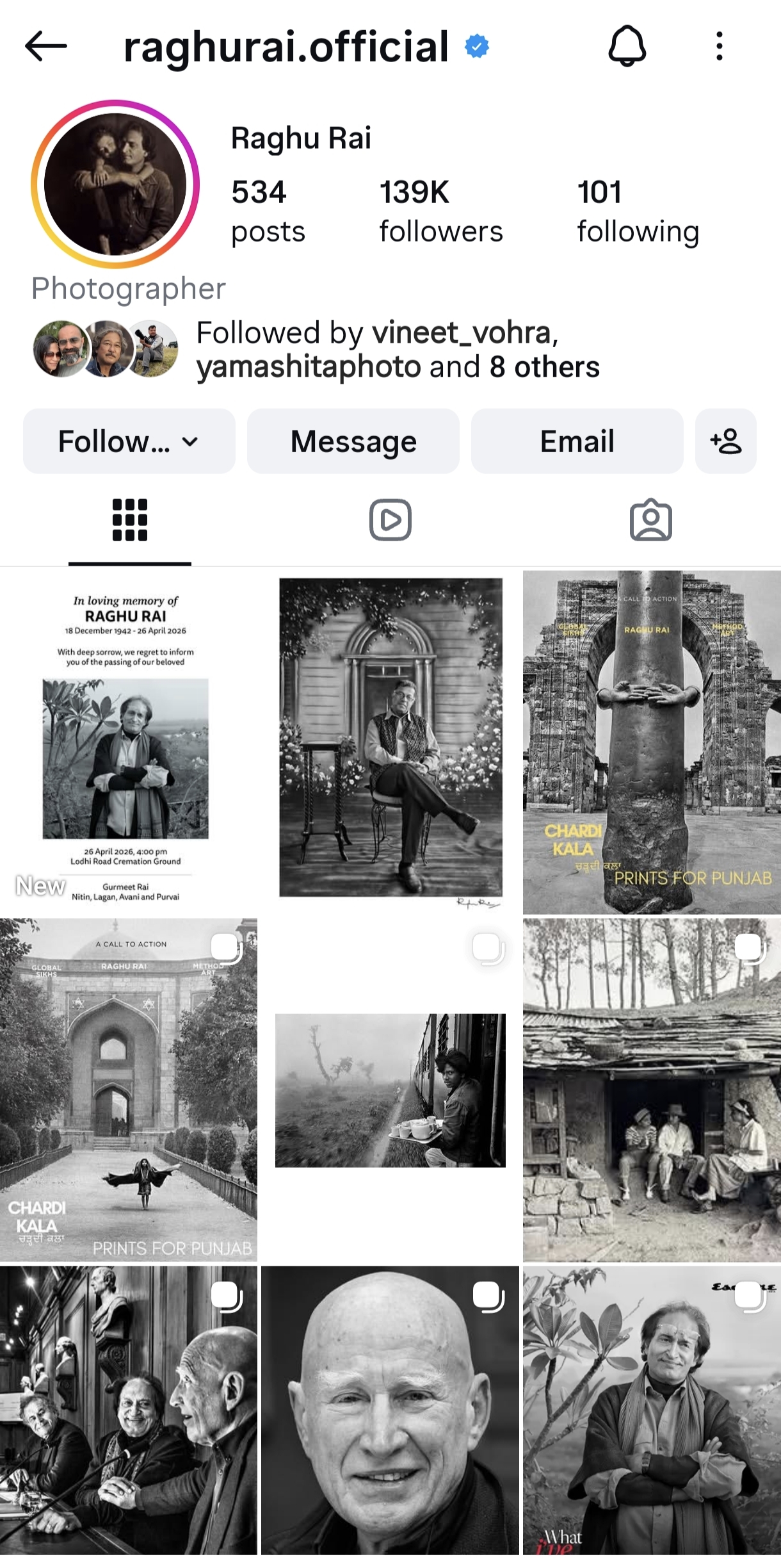
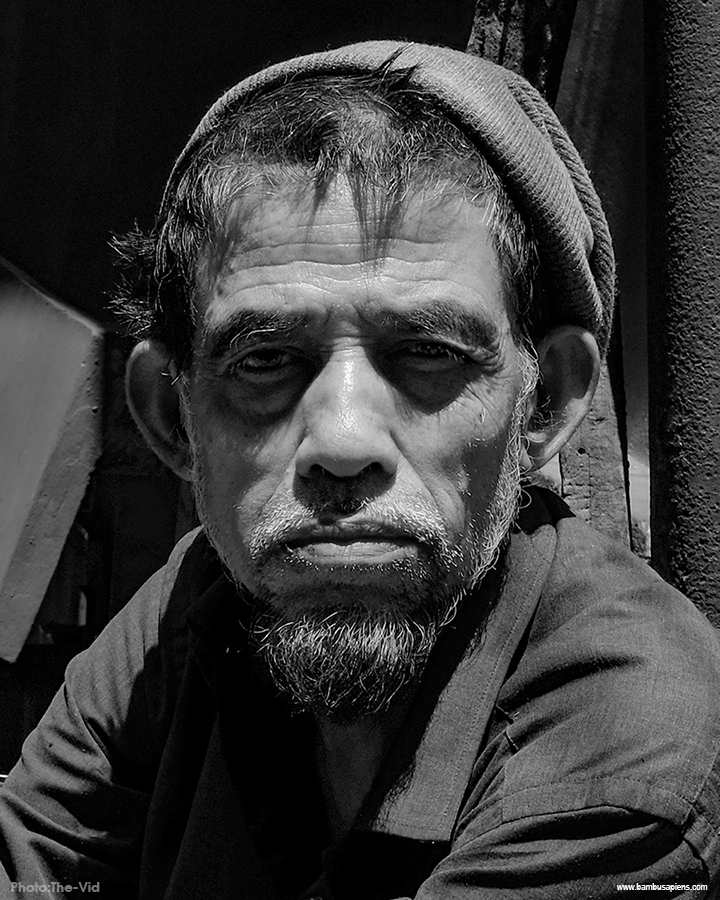
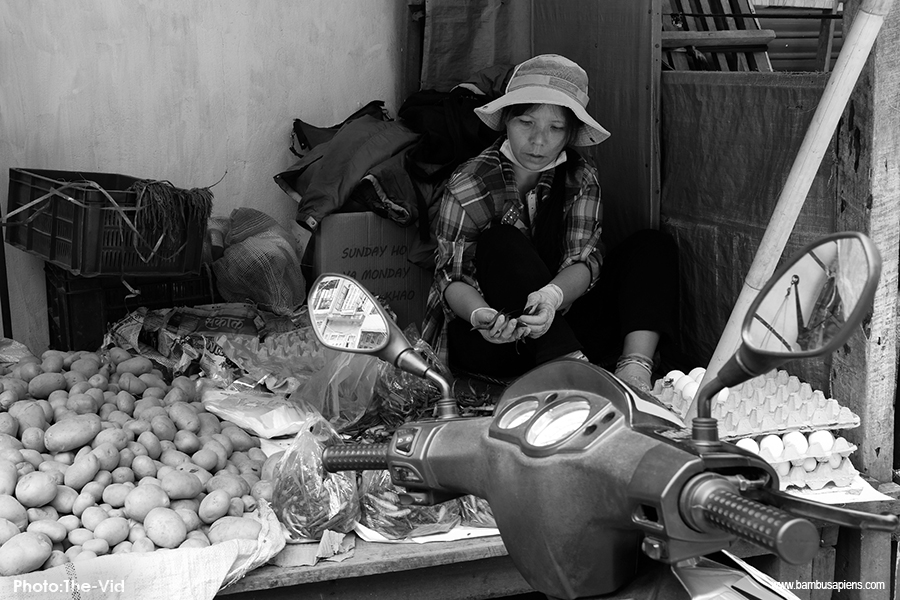
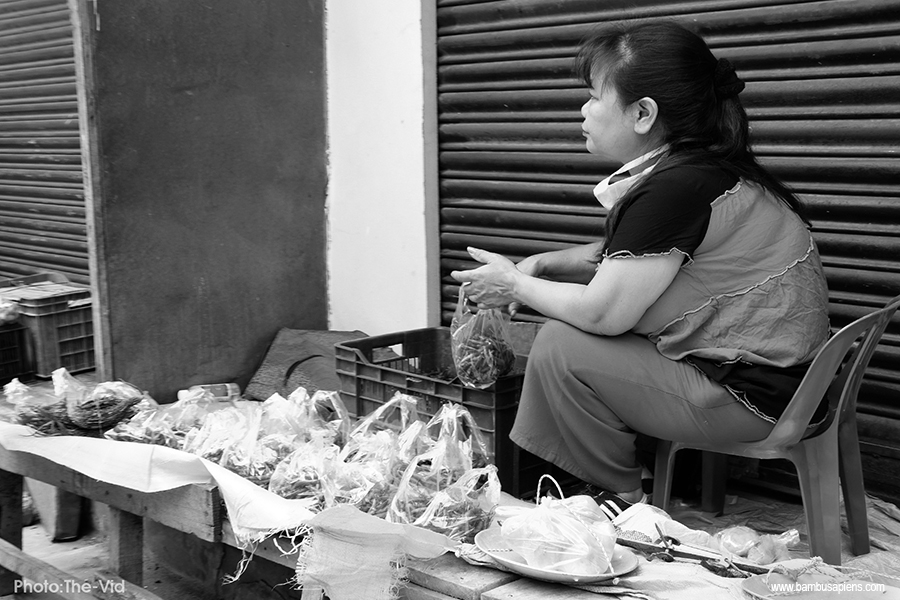
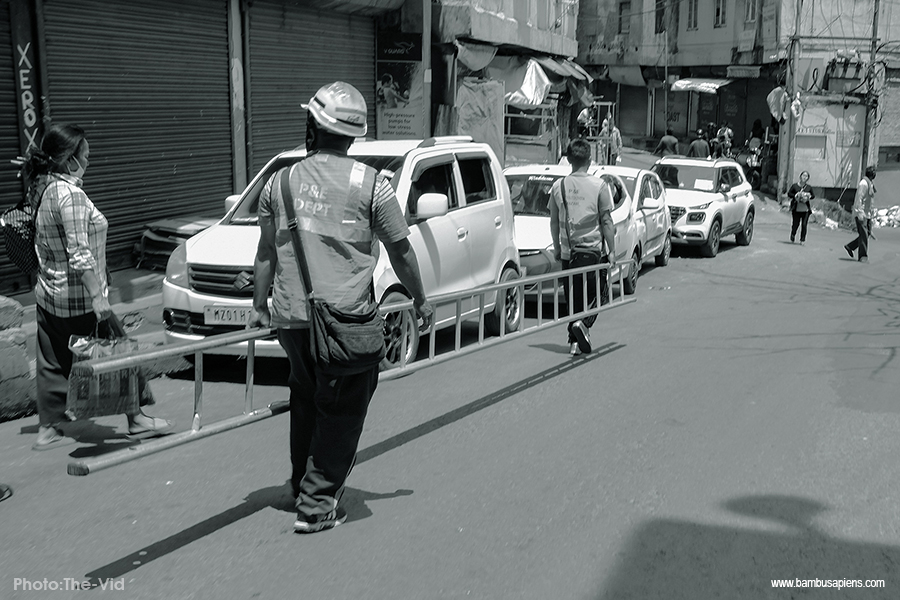
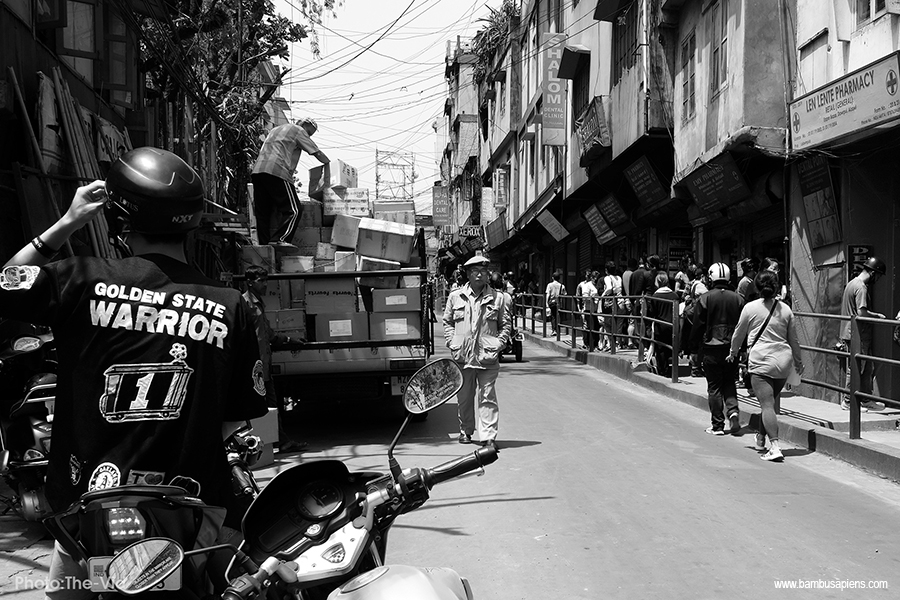
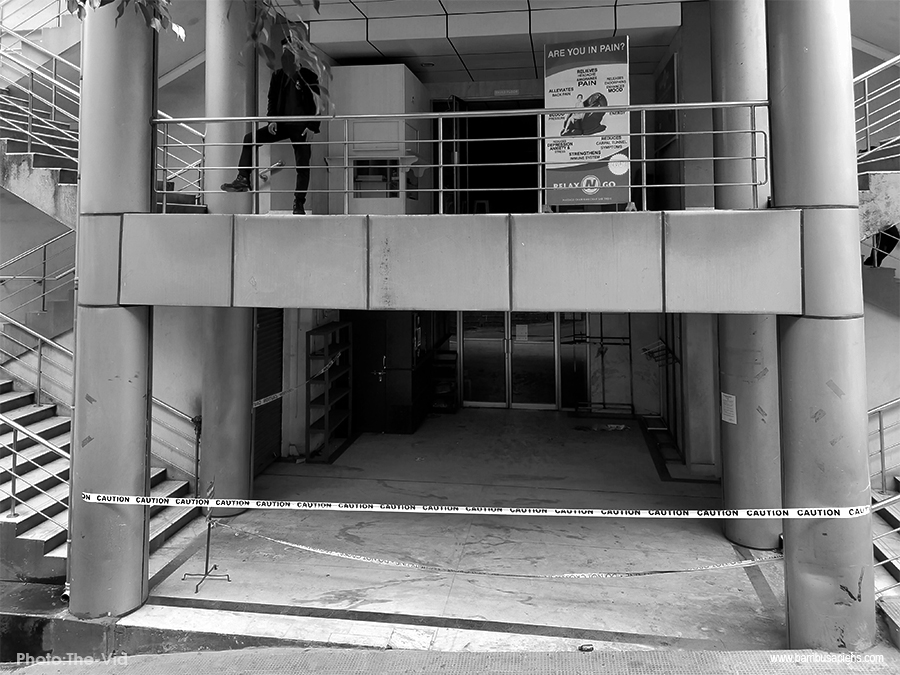
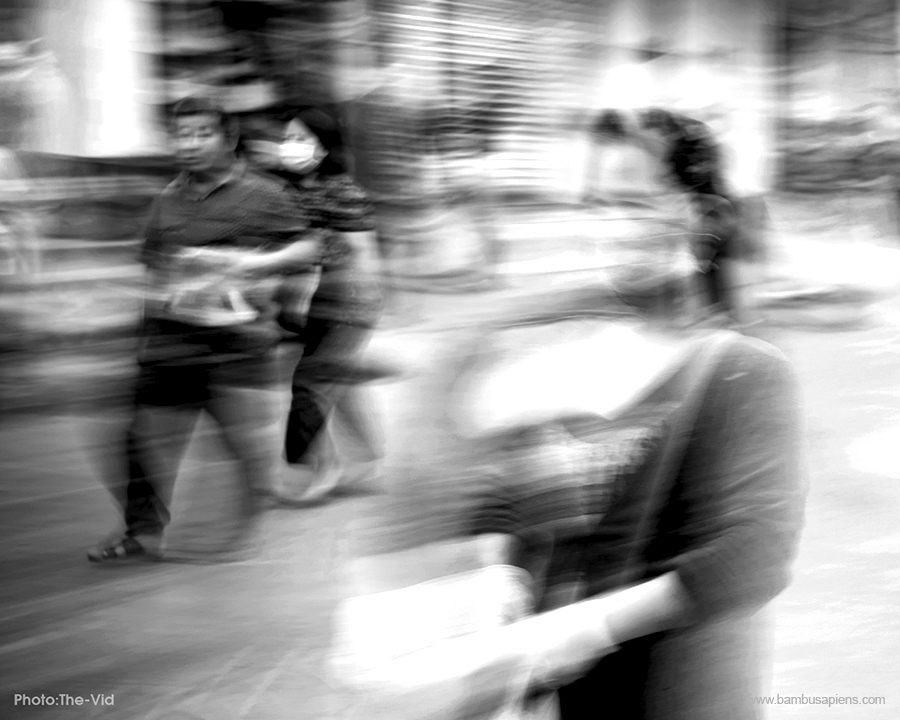
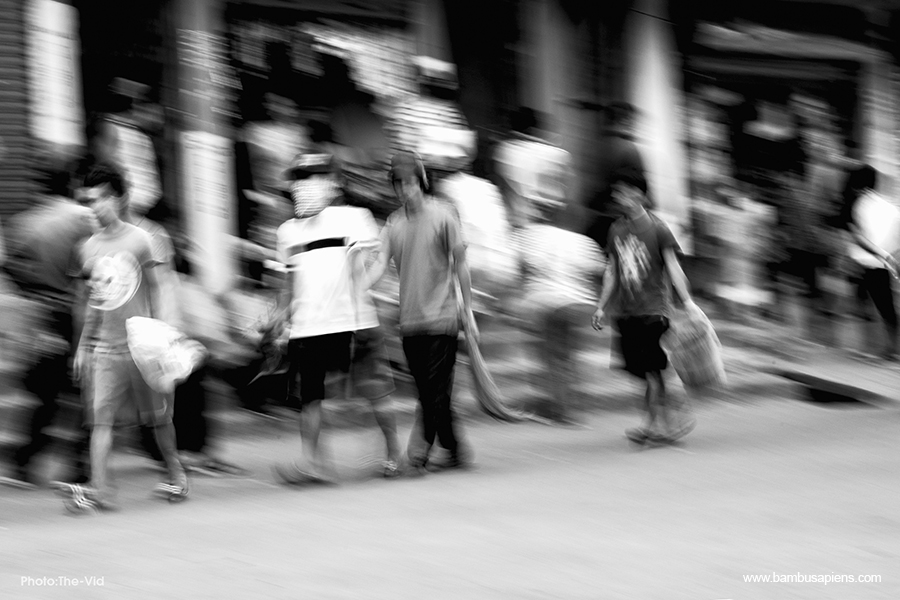
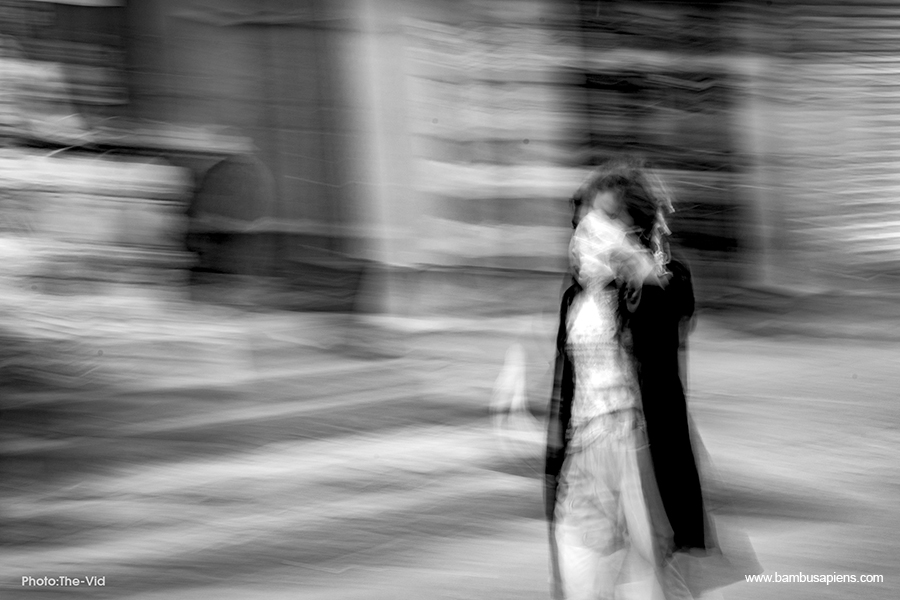
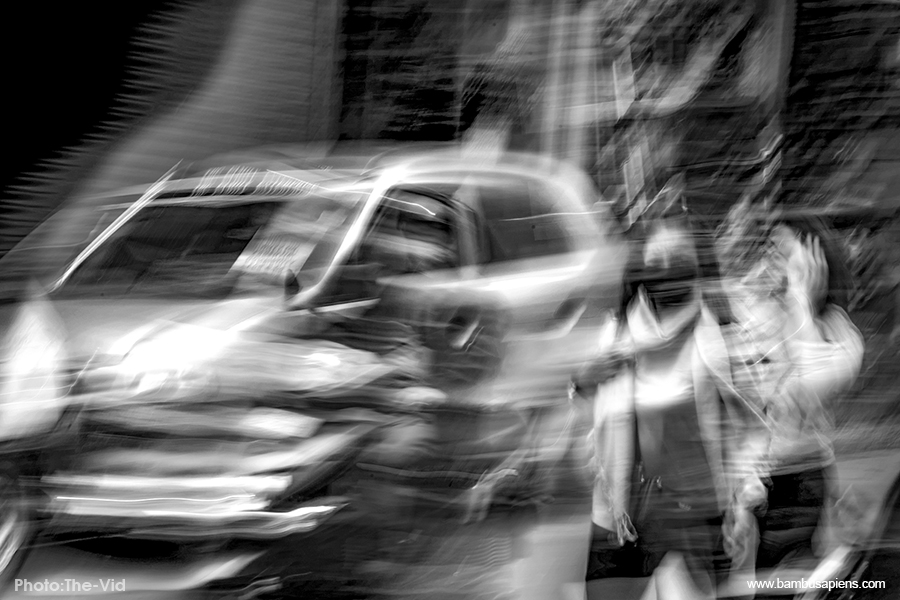
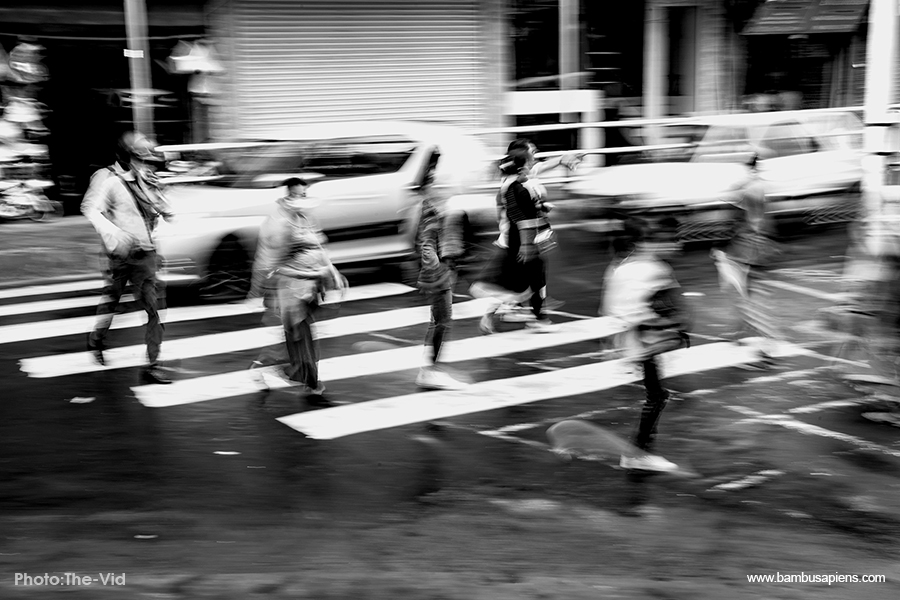
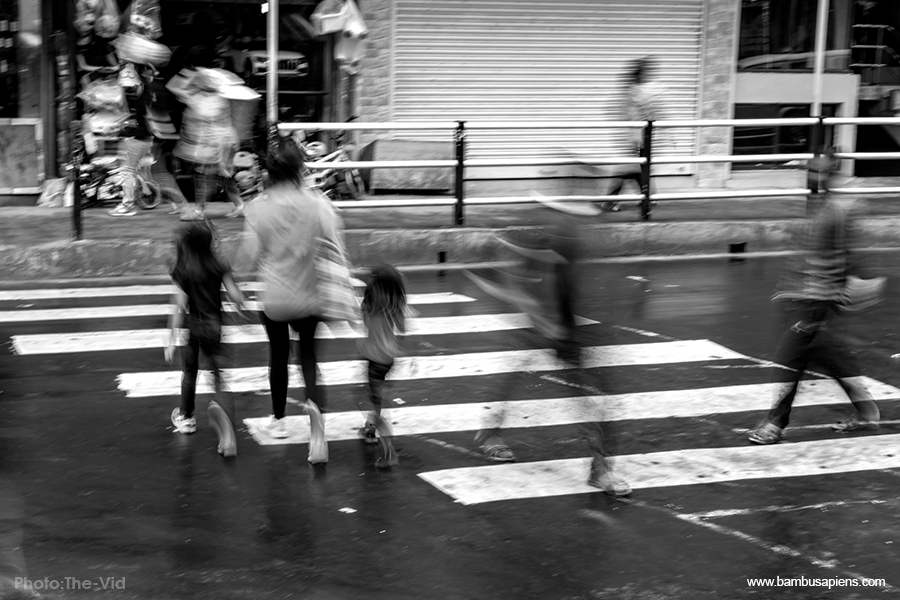
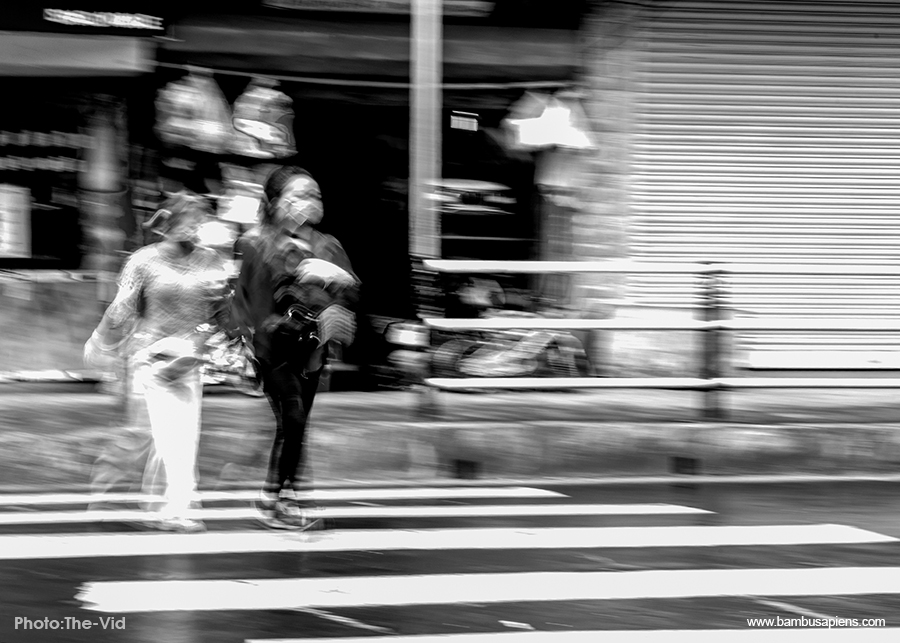
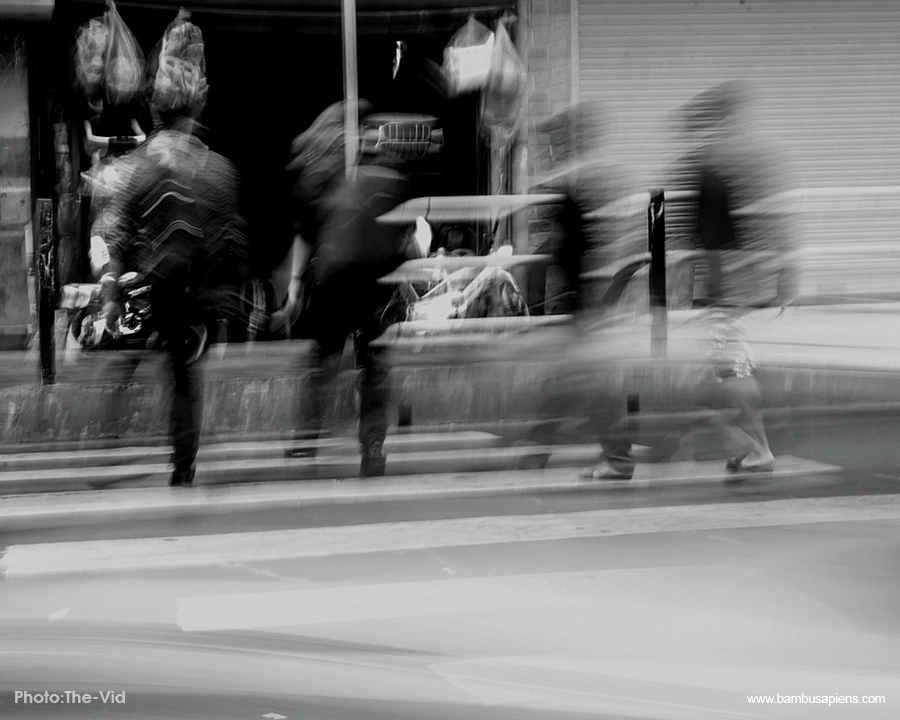
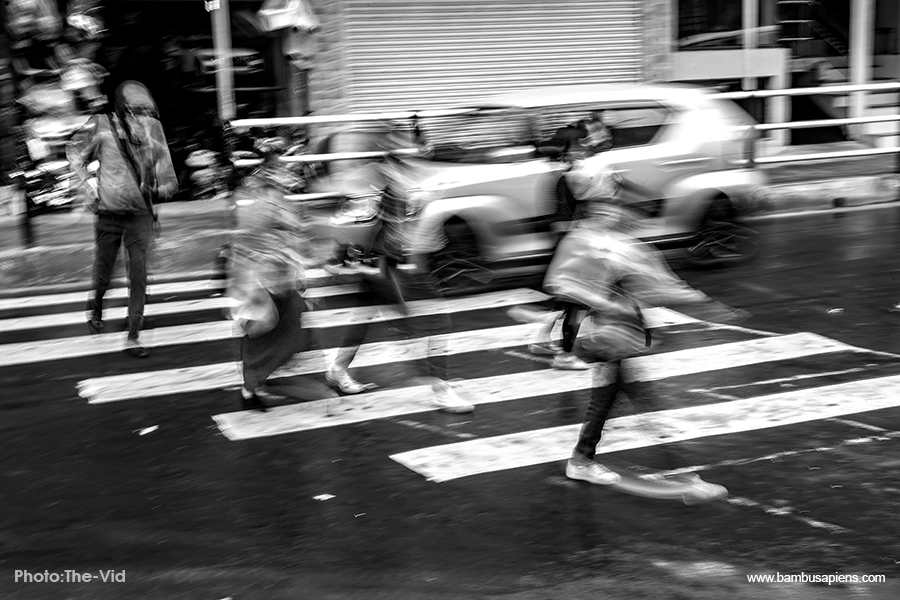
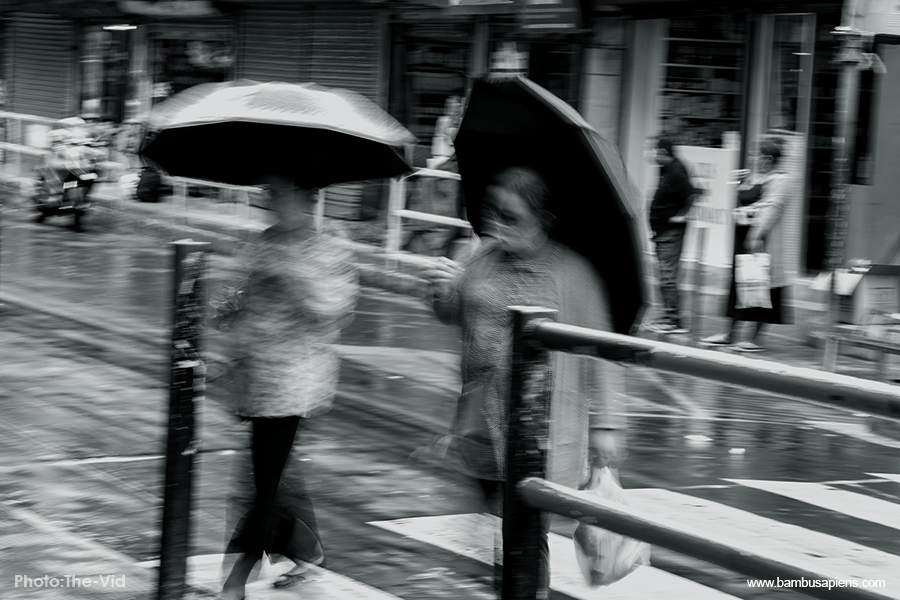
India chhulchhuak zinga thlalak leh photojournalism lama ngaihhlut êm êm, mi tam takin “Father of Photojournalism in India” tia an sawi, Raghu Rai chuan kum 83 mi niin April 26, 2026 khan New Dehi-ah a khawvel zinkawng a lo zawh tawp ta. Raghu Rai hian a nupui Gurmeet Rai leh a fa te pali a kalsan a ni.
Thalak hmanga, kum 60 zet, India chanchin phochhuaktu hian India ramin a hun tawn hrang hrang, a bikin Socio-politic inlumleh chhoh dan a phochhuak nasa hle a, thlalak nung leh zûn nei tak tak a ni hlawm.
A bul ṭanna leh a zinkawng
Raghu Rai hi December 18, 1942 khan Jhang, Punjab (tunah chuan Pakistan ramchhungah a awm ta), Bristish India-ah a lo piang a, unau pali zinga a naupang ber a ni. Kum 1965 aṭangin thlalak lam hi a luhchilh ṭan a, a kum leh, 1966-ah thlalak lama hotu ber ni turin The Statesman chanchinbu-ah a lut zui a ni. Thiamna lamah chuan Civil Engineering zirchhuak a ni thung. Thlalak lama hruailuttua kaihruaitu hmasa chu a u, Sarampal Chowdhry (S Paul an tia an koh), a hunlaia thlalak thiam leh hmingthang a ni.
Khawvela photojournalist leh thlala thiam rual intelkhawm ten an din, Magnum Photos chu Nominee memberniin 1971-ah a zawm ṭan a. He pawl namai lo tak a zawm theihnana rawttu (nominate-tu) chu khawvela thlala mi te ngaihsan rawn Henri Cartier Bressan ngat a ni. Kum 1977 khan Magnum Photos-ah hian member puitlinga sengluh a ni zui ve ta a ni. Rai-a hi Indian Photographer zinga Magnum Photos-a tel thei hmasaber a ni bawk.
A sulhnu ṭhenkhat
Rai-a hian thil pangngai mai maia ngaih atanga thil danglam a phochhuak thiam thin hi a kutchhuakin ngaihhlut a hlawh êm êm nachhan a ni a. India rama khawtlang nunphung leh sorkar inrelbawlna kaihhnawiha mi hnuaihnung ber atanga a hotu lawk te thlenga an thlalak a phochhuak ṭhin a ni. A kutchhuak ṭhenkhat te:
Bhopal Gas Tragedy (1984):
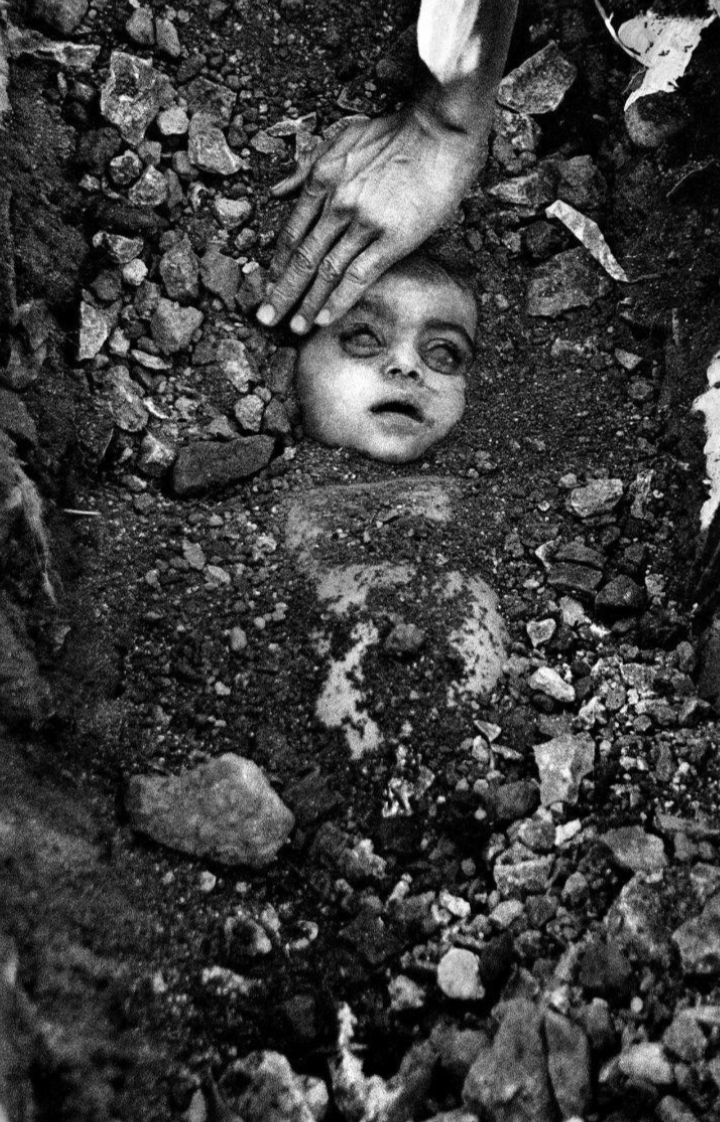
Bhopal Gas leak avanga tawrhna a phochhuah zinga mi “Hriatloh hraichawi zalhna” tih chuan khawvel ram hrang hrangah ngaihven a hlawhin kha chhiatna ṭihbaiawmzia a phochhuak chiang hle niin an sawi.
Burial of an Unknown Child – Raghu Rai (1984)
Portrait:
India rama mi langsar tak tak – Mother Teresa, Indira Gandhi leh Dalai Lama te portrait a lak sak chuan ngaihsan a hlawh a, heng bakah hian Indian Classical Musician te thla a lak pawhin ngaihhlut a hlawhin khawvel hriata Indian Classical Music vawrh lar kawngah a thawhhlawk hle.
Sapṭawng chanchinbu, Mizo te pawhin kan hriatlar tak, The Statesman chanchinbu-ah bulṭanin, Chief Photographer a ni ṭhin a. Hemi hnu hian Sunday Magazine-ah ‘picture editor’ hna a thawk a, 1982 aṭang khan India Today-ah ‘director of photography’ hna a thawk leh bawk. Heng hna a chelh chhung hian awmze neia thlalak hmanga thawnthu sawi (Photoessay) ti larin, Indian journalism chu bungthar a kaipui a ni.
Chawimawina a dawn langsar ṭhenkhat
Padma Shri (1972): Bangladesh Indo kaihhnawih thla a lak, hnuk khawih tak tak te avangin kum 1972 khan India sorkar chuan Padma Shri a hlan. Bangladesh Liberation war by Raghu Rai en theihna
Photographer of the Year (1992): National Geographic chanchinbu-a a kutchhuak, “Human Management of Wildlife in India” (India rama mihring ten ramsa te an enkawl dan) tih avangin Photographer of the Year (1992), USA-ah a dawng.
Academie des Beaux Arts (2019): Academie des Beaux Arts-in an buatsaih, thlalak lama chawimawina ngaihhlut “William Klein Photography Award” chu kum 2019 khan a dawng a, he chawimawina dawng hmasabertu a ni.
Asia Arts Vanguard Award (2026): Tun hnai lawk khan Asia Society chuan Arts lama a thawhhlawk avangin chawimawina “Lifetime contribution to the arts” an hlan.
Ro a hnutchhiah ṭhenkhat te:
Rai-a hian lehkhabu 55 a ti chhuak a, chung zingah chuan Raghu Rai’s Delhi, The Sikhs, leh Calcutta te pawh a tel. Thlalak lam inhmang chhuanthar zawk ten kaihhruaina mumal an neih theihna turin “Raghu Rai Center for Photography” a din a, mi tam tak an inzirchhuak tawh a ni.
A fate u te pahnih, Nitin Rai leh Avani Rai te pawh hi thlalak lama thawhlawk tak an ni a. Nitin Rai hian Babri Masjid ṭhiah kaihhnawiha a thlalak te a hmingthanpui hle a, khawvel ram hrang hranga publisher te nen an thawkho bawk. A fanu Avani Rai hi thlalak leh film siam lama inhmang a ni a, a pa Raghu Rai-a documentary a siam pawhin ngaihhlut a hlawh hle.
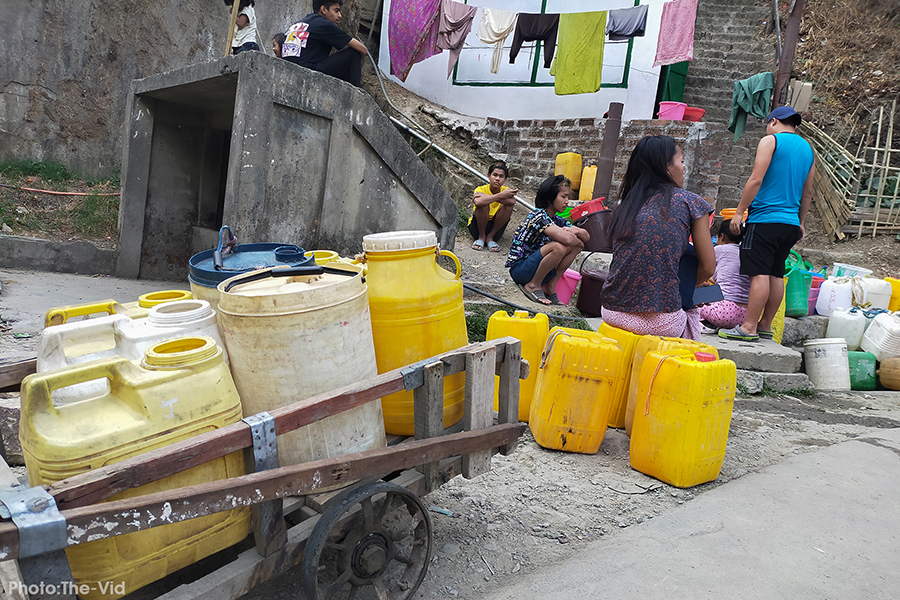
UNICEF-in a tarlan danin khawvel mihring tluklehdingawn 4 zet te hian kumkhatah thla khat tal tui harsatna namenlo an tawk ṭhin a, khawvel mihring tluklehdingawn 2 zetin an mamawh khawp tui an dawng lo a. Kum 2025-ah chuan khawvel mihring zat ve zet te hi tui harsatnain a tibuai dawn nia sawiin, kum 2030-ah phei chuan khawvel mihring maktaduai 700 zet chuan tui harsatna avanga an pem a ṭul tur thu an sawi bawk.
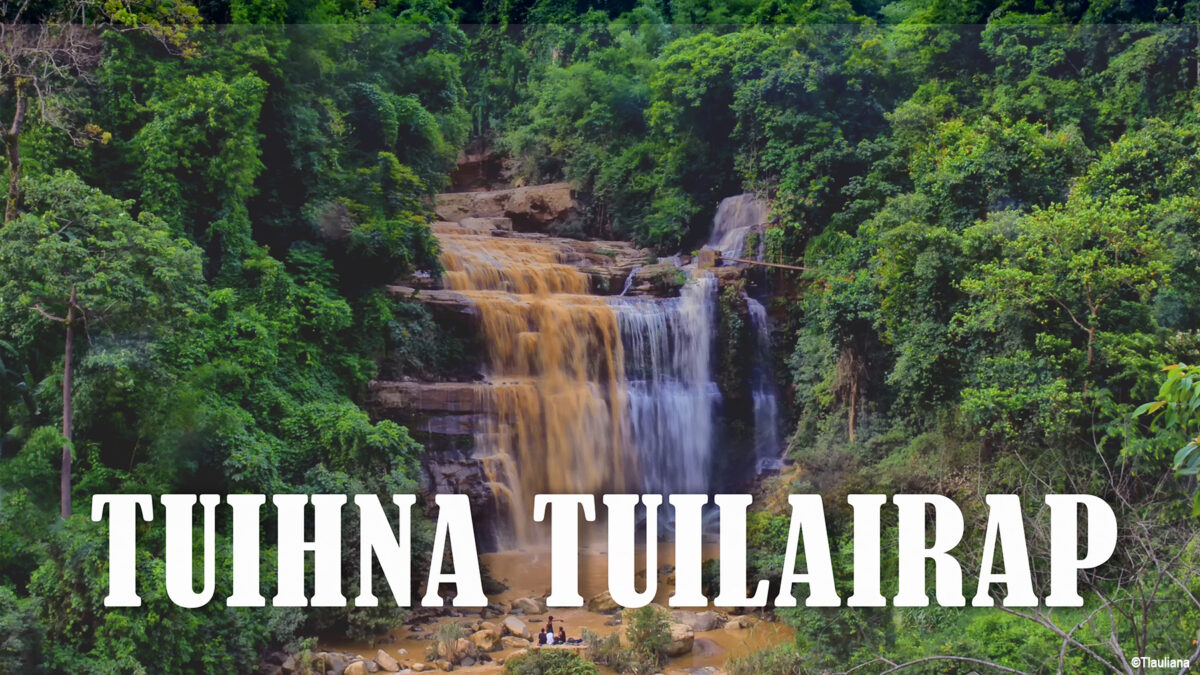
UNICEF-in a tarlan danin khawvel mihring tluklehdingawn 4 zet te hian kumkhatah thla khat tal tui harsatna namenlo an tawk ṭhin a, khawvel mihring tluklehdingawn 2 zetin an mamawh khawp tui an dawng lo a. Kum 2025-ah chuan khawvel mihring zat ve zet te hi tui harsatnain a tibuai dawn nia sawiin, kum 2030-ah phei chuan khawvel mihring maktaduai 700 zet chuan tui harsatna avanga an pem a ṭul tur thu an sawi bawk. (Featured Image Courtesy – Tlauliana Bualchhuak)
Hmakhawsang ata tawh tun thlenga Mizo nuna la bet tlat chu ‘tuikang nghah’ hi a ni awm e. Sorkarin theihtawp chhuahin mipui te tan, kawtkaiah tui han siak chhuak ve bawk ṭhin mahsela siakchhuah tur lam a tam tawk loh fo avangin kan khawro chhunzawm zel a, tuikangnghahin ban zai a rel hleithei rih lo a ni. Ruahtui dawng ram kan ni a, kumkhata chhunga kan ruahtui dawn hi tam tak a ni a, chuti chung chuan kumkhatah thla hnih-khat tal chu tui harsatna namenlo kan tawk ziah lawi si! Kan thlai leh ran te tana pêk tur chu sawiloh, mihring pawhin khamkhawp hman tur kan nei manglo ṭhin. PHE tuisém inbiakṭhat siak te, tuisem nia tui inchuha patling-nutling hmanhlel ngai reng mai te hi engtia tih tawp tur nge ni ang? He harsatna hi tu mawh nge ni ang? Tui hi a bo thei tak tak em? Kan tawrh hi tihziaawm theih a ni em?
Zuangtui-Muanna, March 13, 2023
A chang hi chuan Mizo te hi Laiking pawnpui tah tur an sawi ang mai hi kan ni te hian a lang ṭhin. Kumtin mai, ṭhal laiin lui a kang a, tui a harsat chiah hian hrehawm kan ti a, kan phul hluai a, hma thar lak dan tur, tuia kan ziaawm theih dan tur kan ngaihtuah a. Ṭo a lo hawng a, kan thla a muang leh deuh a, fur a lo thlen tak tak phei chuan ṭhal laia kan harsatna zawng zawng kan theihnghilh leh zo ta a, hmalak rêng rêng kan tum leh ta ṭhin lo. A ngai te bawkin khua a lo ṭhal leh a, tui buaiin kan buai leh a.
East Khankawn_ Zingkarah a duh apiang chawi theih turin vantlang tuipipe an hawng. Mar. 22, 2013
Tuihna humhalh turin lui humhalh
Kumkhata ruahtui kan dawn zat te (~208 cm), luipui kan neih zat te, luitê kan neih zat te chhut chuan engtiklaimaha tuia harsatna nei awmlo tak pawh kan ni thei mai awm e. Mahse kan ram leilung pianphung avang te, kan khawsakna hmun – tlang chhip a nih avang te hian kan ngah ang aiin kan hnianghnar lo; tui a chho luan ngawt thei silo. Tun dinhmunah chuan khaw hmun sawn tum ai chuan khaw awm tawhnaa tui hnianghnar kan neih theihna tur hmalak zel mai hi a samkhai tawh zawk ang.
Tui harsatna kan tawh te hrerengin YMA-in tuihna humhalh tumin theihtawpin hma a la, chumi azarah chuan khaw tam takin kan lui tui hnar te humhalhin ngaw a siam thar leh tumin hma kan la nasa a, kan inzirtir a, kan inkaihruai bawk a, a lawmawm tak zet a ni. Chutianga tuihna humhalh tuma a khaw nawta ṭan kan lâk a, a rampum huapa kan beih mêk lai chuan hmasawnna siper avanga kan tuihna tichhe vek thei thil tam tak kan bawh ruak ruak mai hi erawh a pawi takzet a ni. Heng hi chu hmasawnna khingbai a ni tih kan hriat a pawimawh.
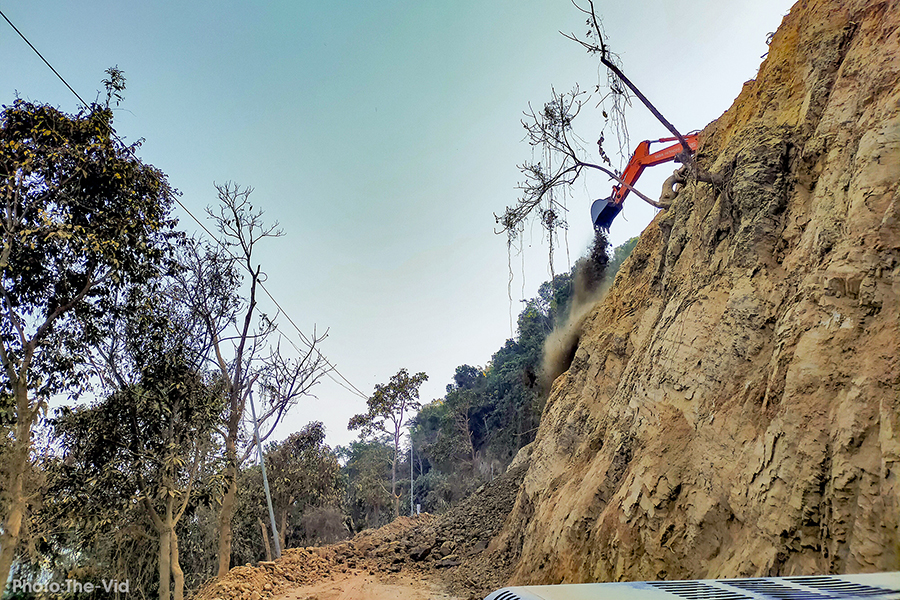
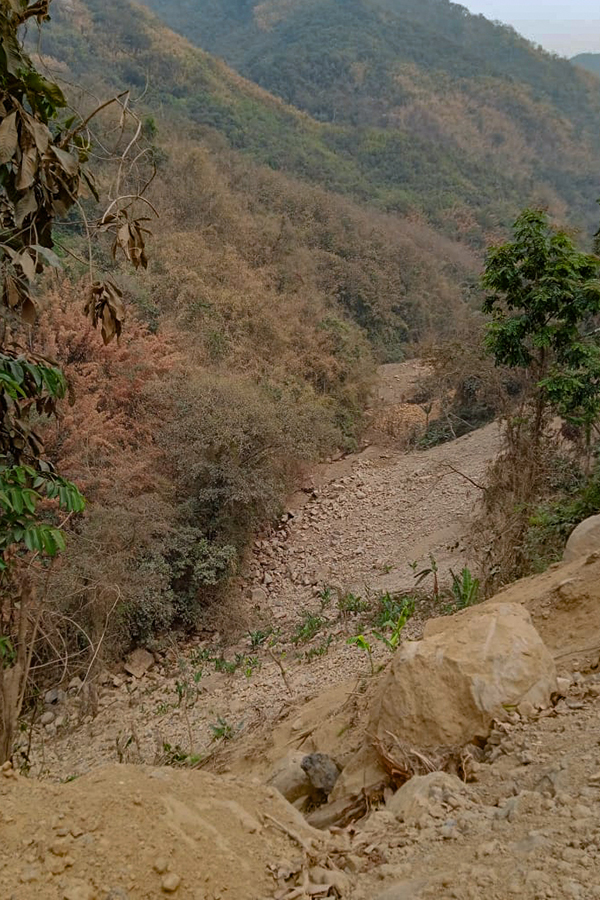
Kawngpui ṭha zawk nei tura hmalakna kal mêka leivung thehthang dan fimkhur tawk loh avanga kan luidung leh a chawmtu kawr ten a chhiatphah dan hi a lungchhiat thlak tak zet a ni. Hemi kawngah hian tlawmngaipawl leh miṭhahnemngai ṭhenkhat te hmalakna avangin tlem chuan kan ṭhangharh chho deuh niin a lang. Chutih laiin khaw tam tak ten kan khaw ramchhunga luipuia ṭiau lung leh ṭiau vut te Company hnena kan lo hralh ṭhin tih thawm awm hi a pawi tak zet a ni. Khawtual miten eizawnnana nikhata an phak tawk tlem tlem an lak hi chu thuhran a ni a, ngai a awh leh thei mai bawk a. Company lam te hi chuan khawl hmang meuha an lakchhuah avangin nikhatah tam tak an la chhuak a, lui luan dan vawnghima kaihruaitu ṭiau lung leh ṭiau vut te hi an bo duak chuan lui tuiin vaukam a len chhiat theihna kawng a inhawng zau sawt dawn a, chu chuan leimin nasa zawk a thlen thei dawn a, tin, luia nungcha tam tak te tan ei tur leh chênna tur a bo dawn bawk a, tin, lui tui lo thlifimtu a bo dawn tihna a ni bawk. A tawpa a nghawng tur chu ‘hydrological cycle’ an tih mai, luia tui te ruahtuia a lo insiam a, hmun hrang hranga a insem kual dan phung hi a ni.
Keitum to Bungtlang NH54 laih lai Mar. 1, 2021
Hausa tur chuan pawisa neih a ngai an tih ang deuhin tuihna nei ṭha tur chuan tui neih a ngai! Tui hi a luangral satliah lo a, kan hman tawh hnu kha kan hmang nawn reng a, kan hmang zo a, kan thli kha khawiah emaw a luang lut a, tuihuah changin ruahtuiah a lo insiam leh a, chutiang zel chuan a kual a kual ṭhin. Chung tui te leichunga an luankhawmna (surface water) chu lui te, tuipui te, tuifinriat te, dil te a ni a. Heng tui luankhawmna hmunah te hian tui a awm miau loh chuan tui hu a awm thei lo a, ruahtuia insiam tur a awm dawn lo.
Luikawr hnawha leivung paih hi Mizorama kawngpui laihzauh mekah hian hmuh tur a tam hle. Source: Anon.
Kawngpui laihzauhna leivungin kan luikawr leh lui a hnawh khah nghek nghuk hian he hydrological cycle hi nasa takin a khawih buai dawn a ni tih kan hriat a pawimawh a, kan thikthu kan tichhiat a hun tawh tak zet a, mahni khaw ram chin ṭheuhah hma kan lak a pawimawh hle bawk. Tin, luia ṭiau leh lung te company hnena hralh ṭhin khua te pawhin kan inen lêt a, kan sut leh te pawh a ṭul khawp mai. Mizo te hi tuikhur hnara in sak te, tuikhur hnar tih bawlhhlawh te duh lo ṭhin kan ni a, mahse chu zia chu kan lo kalsan ta viau mai, mi ṭhenkhat, kawngpui kam leh lui hnara hnawmhnawk leh leivung paih mai mai hmuh tur tam tak an awm ta fo mai hi a lungchhiatthlak takzet a ni. Heng mite hi ram leh hnam pawisawitu an ni tih kan hriat a, theihtawpa kan dodal a hun tawh takzet bawk a ni. Chuti a nih loh chuan khawtlang hmalakna dang – tuihna humhalh tuma tlang lama hma kan lakna kha a lo thlawn mai a ni dawn a, “ip pawpa thlak ang mai” tihna a ni.
Tuihna humhalh tur chuan thawhho a ngai
Khing kan sawi tak zawng zawng te khi Watershed Management chhungah a khung theih vek awm e. Watershed Management hian a huam zau êm êm a, kawng hrang hranga hmalak ngai a ni a, ṭanrual mai bakah a thawha thawhho ngai thil a ni. Tunhmain Sorkar programme – IWDP leh IWMP te a awm ṭhin a, kha vang kha ni maw, Watershed Management kan ngaihdan hi sorkar project pakhat hi ni berin a lang. Tui harsatna sutkian te, luitui vawn thianghlim te, tuihna humhalh te, humhalhna kawnga a nghawng tur mipui te ei leh bar zawnna ngaihtuah te thlengin Watershed Management thiltum lian ber a ni tih kan hriat thar a pawimawh khawp mai.
Chutih rual erawh chuan watershed management hi mal beih (pawl/department) a hlawhtling mai chi a ni lo a, ṭanrual a, thawhho ngai a ni. Engineer te, ecologist/environmentalist, economist te, social science lam thiam te, administration lam te, dan leh thupek kengkawhtu te, Agriculture leh a kaihhnawih lam thiam te, thiamna hrang hrang, hmalakna hrang hrang a luankhawm a ngai a, heng mite hi an thawhho a ngai a ni. Tuna Mizorama tuihna humhalh kan beih dan pawh hi ennawn deuh a, thawhhona ṭha zawk a awm a ngai tih a chiang viau mai. Sawi tawh angin tlangah, luihnar kan humhalh a, ngaw siam ṭhat kan tum mêk laiin lui kawrah, ruamah, leivung leh bawlhhlawh kan paih a, luia ṭiau leh lung kan hralh leh ang lawi a, heti hi chuan kan tum ber hi kan tleng dawn lo a, hun leh tha tam tak kan khawhral tihna a ni tel bawk.
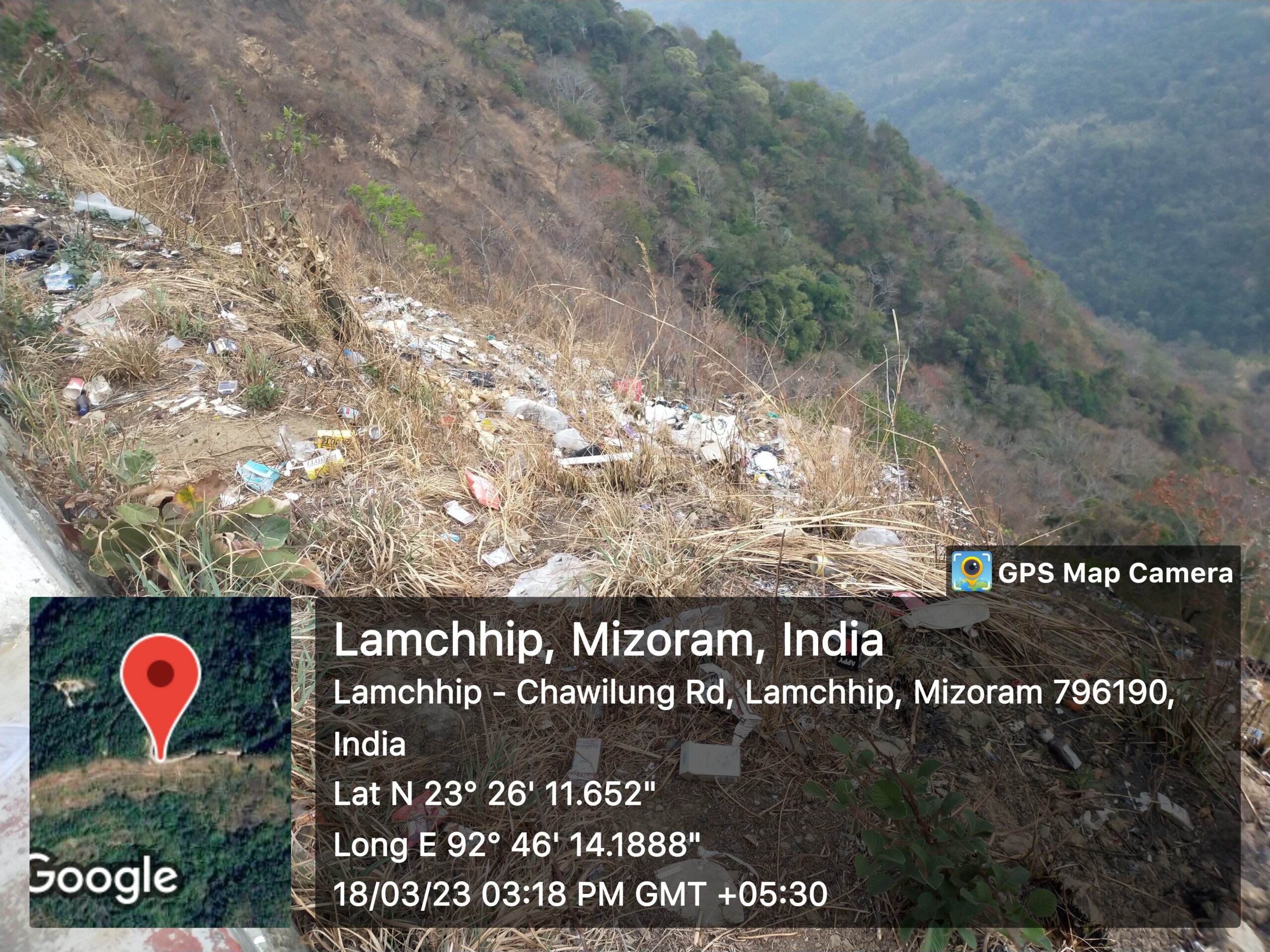
Lamchhip dai-a khualzin chawl thin te hnuhma
Sorkar lamin an tihtur ṭha taka an tih theihna turin mipui ṭawiawmna an mamawh a, mipui ten kan tihtur chin kan tih a, kan tihloh tur chin kan tih loh ngam a ngai a, sum leh hlawkna um vanga hmalakna ang chi phei chu bansan hmak a pawimawh. Sorkar Department hrang hrang te pawhin thawhhona ṭha zawk nen, a kaihhnawih Department dang te nena inpawh tak chunga hma an lak a pawimawh tak zet bawk. Tuihna humhalh hian kaihhnawih a ngah a, ken tel a ngah a, chuvang chuan heng a nghawng tur hrang hrang te thlir chunga hmalak hi a pawimawh takzet a ni.
Tuilairap
Water Resource Management lama mithiam chungchuang, Glasgow University-a Distinguihsed Visiting Professor, khawvel ram hrang hrang 23 zet ten biak rawn taka an neih, lui tui enkawl leh humhalh zirbingtu pawl hrang hrang te finchhuahtu, Prof. Asit K Biswas-a chuan “tui harsatna a awm lo, a enkawl dan kawngah harsatna lian tak kan nei a ni zawk” tiin a sawi a. Mizoramah pawh he thu dikzia hi kan hmu chamchi mai. Mipui te tana tui thianghlim chhawpchhuah kawngah hmasawnna tur tam tak kan la nei a, tui thianghlim intur chhawpchhuah tur enkawla vawnhim kawngah, tuihna enkawl leh humhalh kawngah khua leh tui ten kan mawhphurhna kan hlen lo hle bawk. Tuihna leh lui kan enkawl dan a zirin kan banphaka tui thianghlim awm hi hman tlaklohah kan chhuah thei a, hmanphaklohah kan chhilh bo vek thei bawk tih erawh kan hriatreng a pawimawh. Puh leh chhawn tur an awm lo a, kan vaia mawh a ni a, kan ṭan tlana kan thawhho ṭhat chuan heng harsatna te hi kan sukiang thei a ni tih erawh hria ila, i thawhkho teh ang u khai.
Tuna kan dinhmun mêk hi ngaihtuah chian chuan kan tum berah kan chiang tawk lo a, tuihna humhalh kawngah hian “Tuilairapin” kan awm mêk rih ni berin a lang a, kan humhalh mêk kan tuihna te pawh hian luan ngaihna an hre meuhlo a, “tuilairapin” an awm ve mêk maithei a ni.
Vanglaini Chanchinbu May 13, 2023-ah tihchhuah a ni.
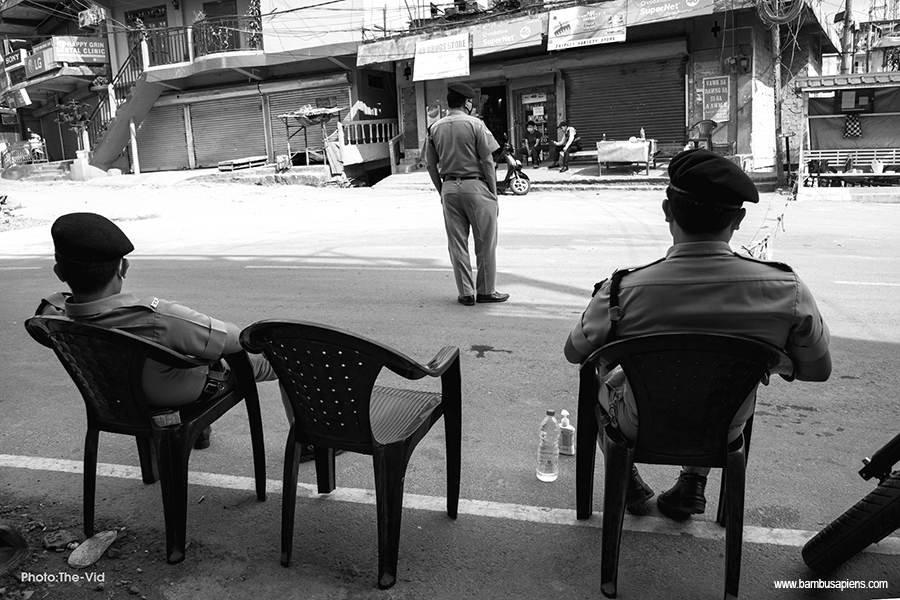
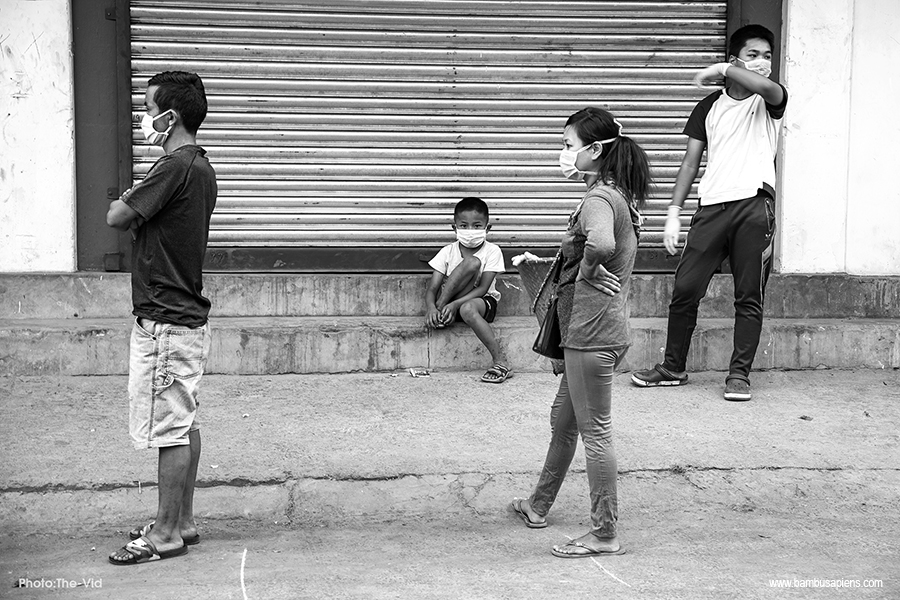
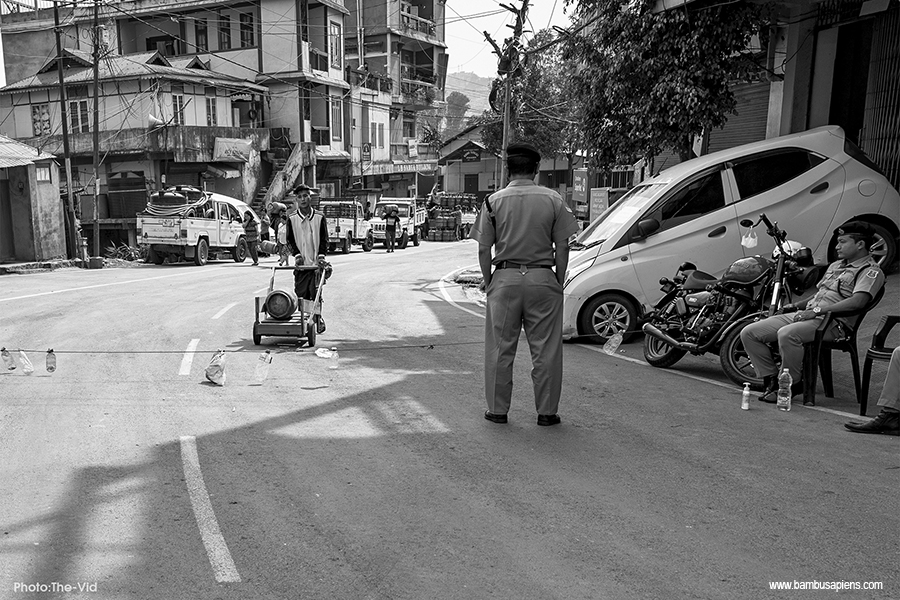
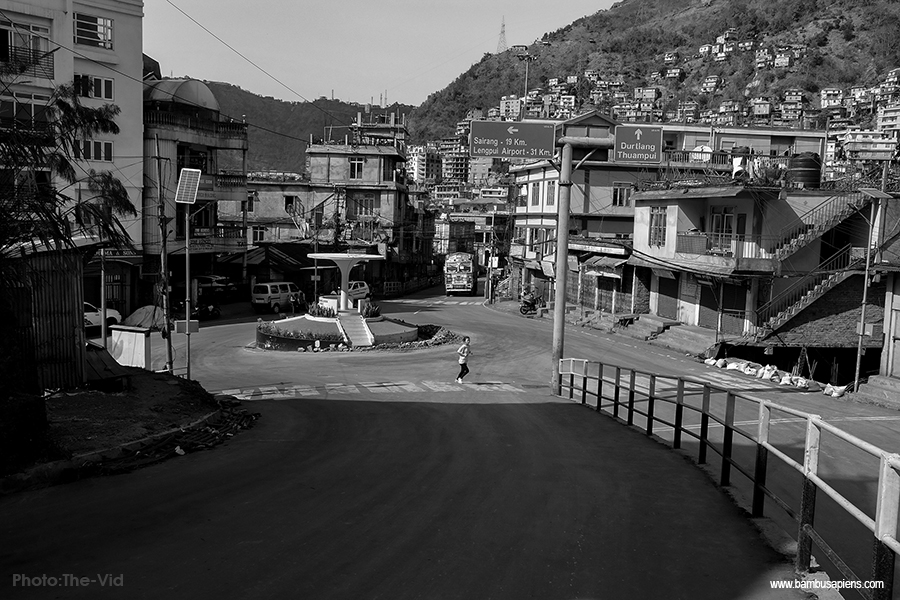
The streets were empty. The highway would also be empty, if not for a random essential commodity vehicle passing by; other vehicles remain stationary. The only life that could be seen were the men in uniform, and some few volunteers under the badge Local Level Task Force.
Men in uniform
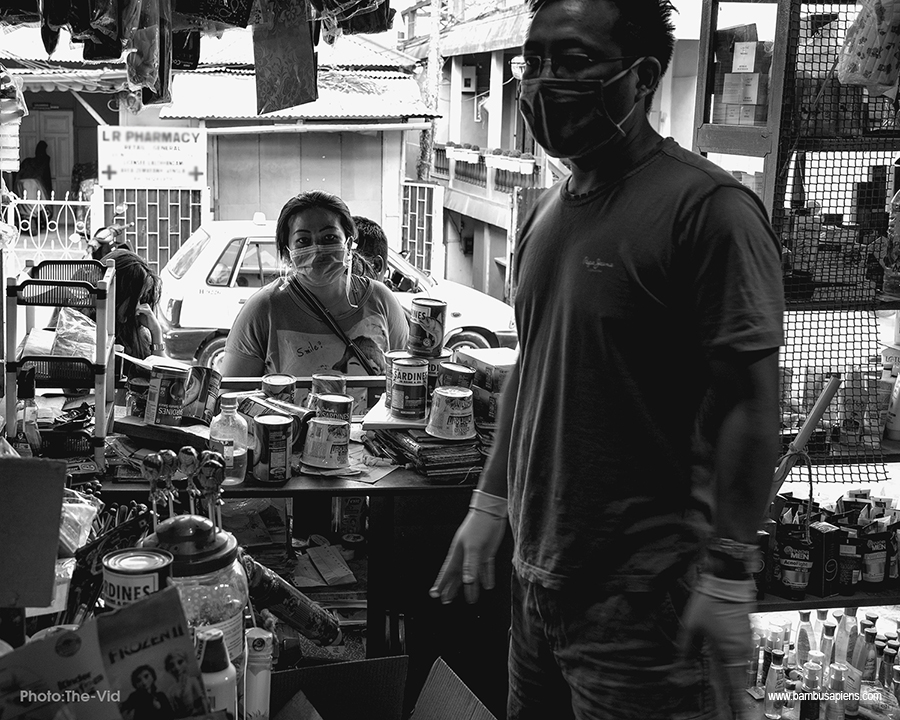
Apparels shops were closed, sports shops and hobby stores were shut. Parlour and spa remain closed. Essential commodities like grocery stores, hardware stores and Pharmacy shops were opened, though. Mankind should learn that there are certain things which support life; and there are certain things, without which you may feel a li’l uglier, but survive. Mankind should re-shuffle his priority list.
Grocery shops were opened…at a specific timing.
Ugliness should not be a concern, because wearing a face mask is mandatory. Mask protect you and others from the virus and also hide your ugly face; if you think you are ugly so, and vice versa.
The best thing about the pandemic is that mankind learn to respect others space. Avoidance of spatial interference is the law. Keeping oneself away from the multitude is the key.
Physical distancing
Only vehicles transporting essential commodities were allowed on the NH54.
Bawngkawng-Sairang Jn. one of the most busy Junction in the City
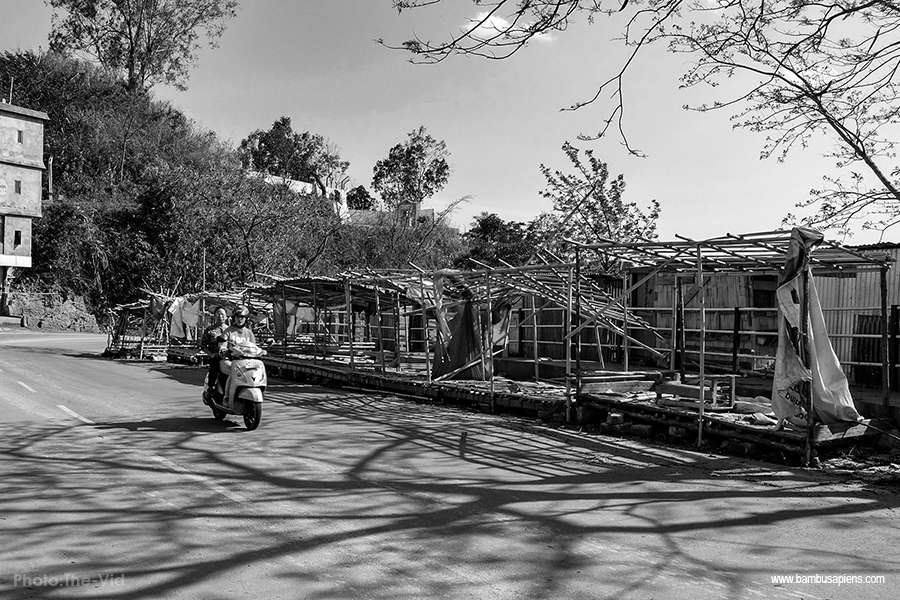
Empty fruit mongers stall along the NH54
“Why didn’t you go home?” my wife asked. “It is much safer here…” he replied. He was an Egg seller.
Second hand garments stall transformed into grocery stall
Second hand garments stall transformed into grocery stall
Life goes on…Making sure that power lines are ok
Migrant Workers, who preferred to stay
Pharmacy stores were still crowded
Millenium Centre
Inside the Millennium Centre…some few essential commodity stores were randomly opened
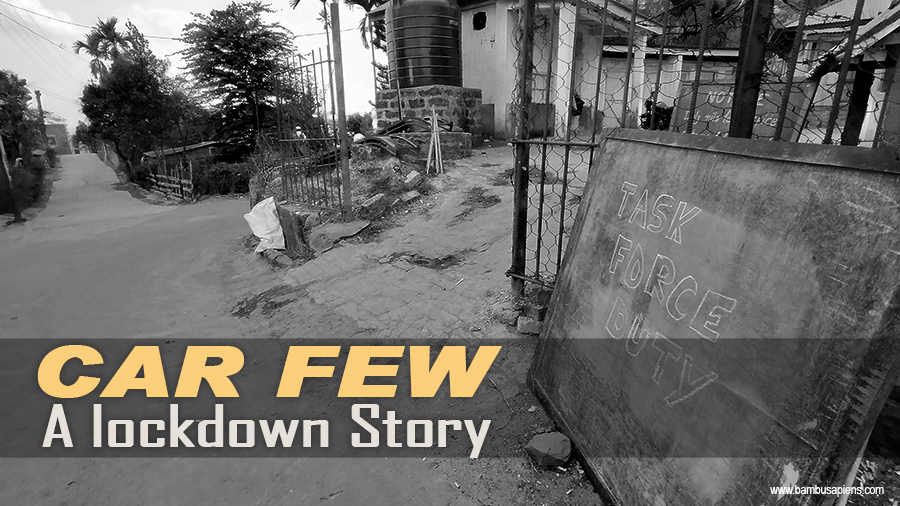
This is lockdown, and the cars are few, the best method known so far, to control the abrupt community spreading of the SARS-CoV-2.
What is man, that thou art mindful of him? and the son of man, that thou visitest him?
For thou hast made him a little lower than the angels, and hast crowned him with glory and honour. (Psalm 8:4-5 KJV)
When it is in the living cell, it is living; and is not a living, when inside the dead cell. Uncertainty is its nature. The SARS-CoV-2 amplify its uncertainty and mankind is in agony. The fear, the panic, the idiotic syndrome and the unknown are haunting the sapiens. The pandemic confounded the superior sapiens, while the disinfomedic entrapped the idiot. But the worst of all is that the pandemic and the disinfodemic happened at the same time.
Sometimes the past haunt the sapiens. Many a times, things which are new to him, things which are uncertain often trembled him. The learned are cautious, the idiots chased and the commoner overreact. The RAT often lies, but the RT-PCR reveals. It is certain that an uncertain virus had made him uncertain, yet again.
Mankind is a hypocrite. Homo sapiens claimed himself to be the most intelligent of all creations. Intelligent might he be, there are certain things he knows not. What he doesn’t know often made him afraid, panic and secure! When things become uncertain, only then he realized he is just a human, a carbon based life forms having the will to believe or not to.
Human, like all other life form is just a mortal; having a genetic similarity of ~95% with other carbon based life forms. His devotion to God is the only thing that makes humankind unique. The only thing that is certain is that day by day he is nearing to his dead.
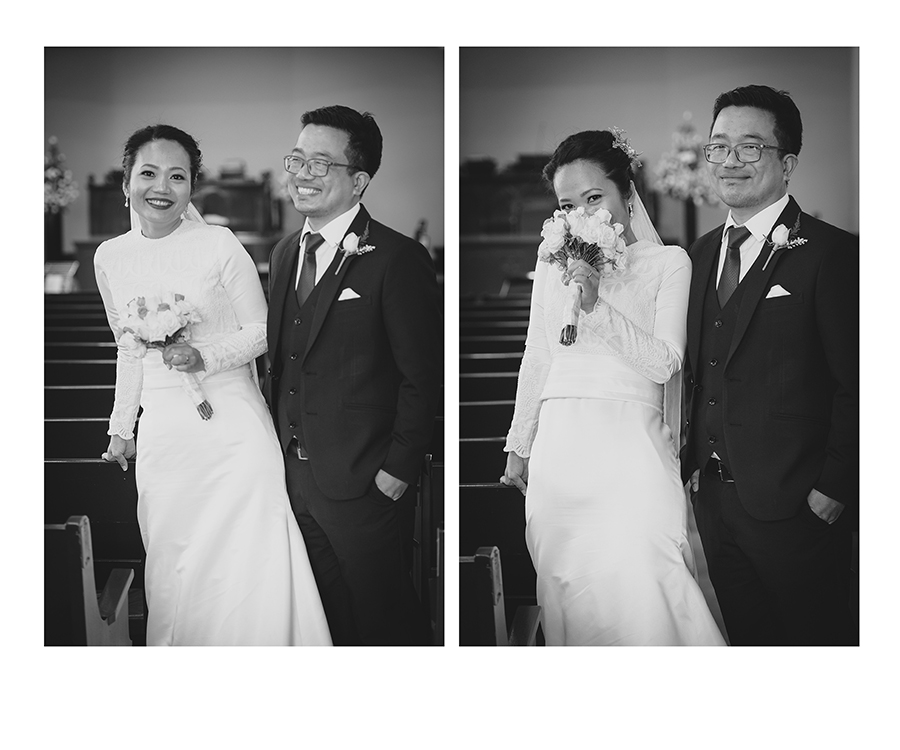
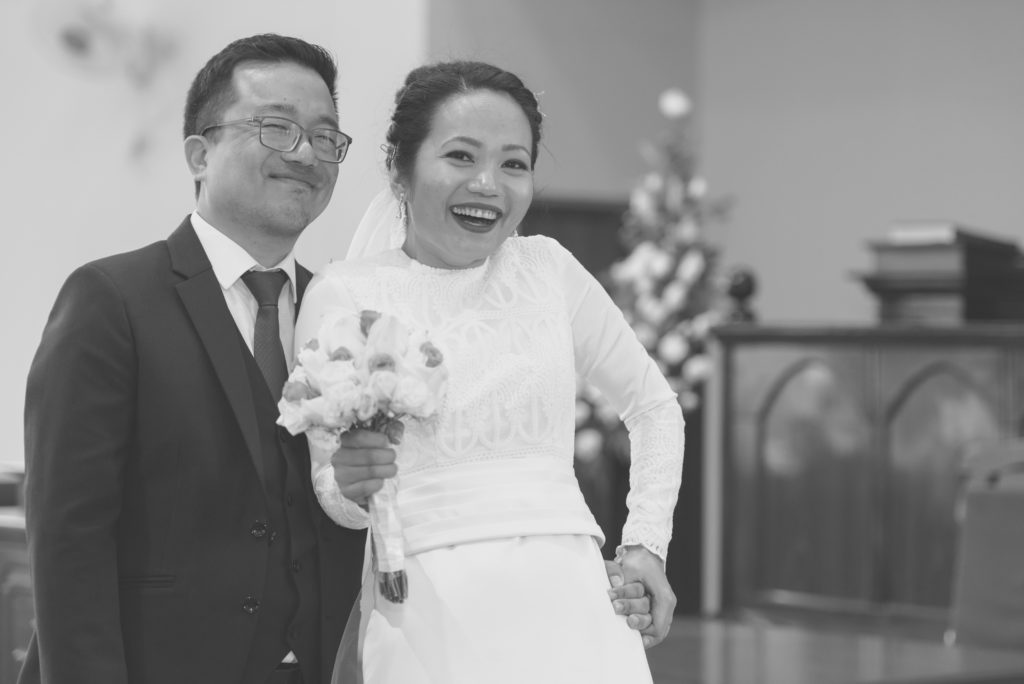
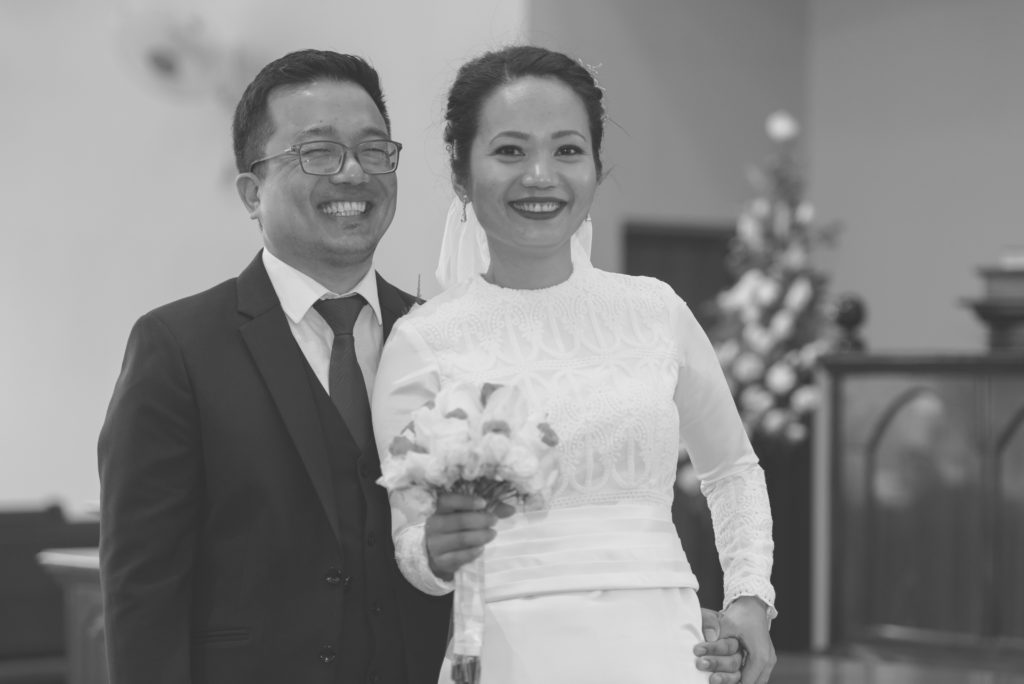
I still remember the day I first saw her, and the dress that she wore that day, a decade ago. Since then, we were friends, till today and forever it will be. Our bond, our love, our mutualism has been made stronger with a vow before God “to have and to hold from this day forward, for better, for worse, for richer, for poorer; in sickness and health, to love and cherish, till death do us part .”
As per the Mizo tradition, the whole wedding process requires certain protocol. Both the families have to negotiate, prior permission from the Church Court Committee has to be acquired, the availability of the Minister (Pastor) is also a must. Passing through all these ain’t not the toughest, for me, to confess to my parent that “I am ready…” was.
The day was fixed, arrangements were made, we were excited. Being a photography hobbyist, many a times I had covered wedding here and there, even though I am not the best in the business, I am very peculiar in my choices. I normally don’t like a prep-up shot nor a clinical pose. But I prefer an impromptu, a candid, the moments, which portray the real us or them. In fact, that is one of the reason why I gave up commercial assignments like wedding photography, where clients mostly prefer glamorous pictures. I request Zualtea to cover our wedding, which he graciously accepted. He did a wonderful job… no prep-up, everything was candid, and he was always in the moment. By looking at each pictures, I still have the same feelings.
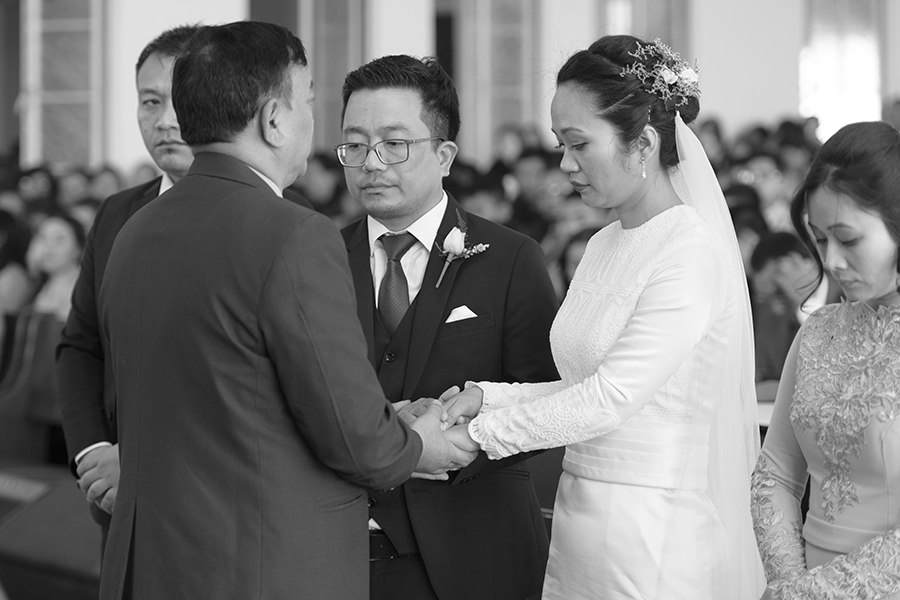
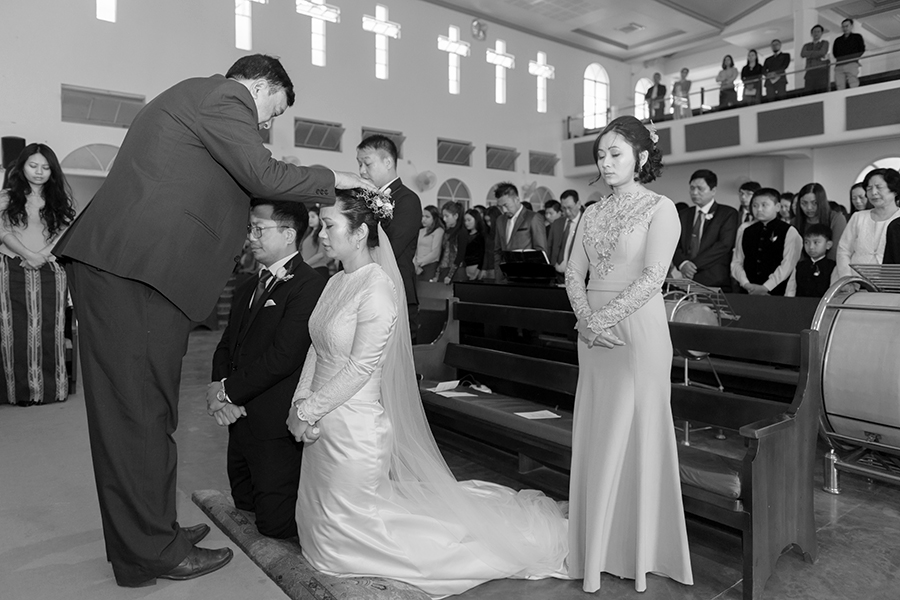
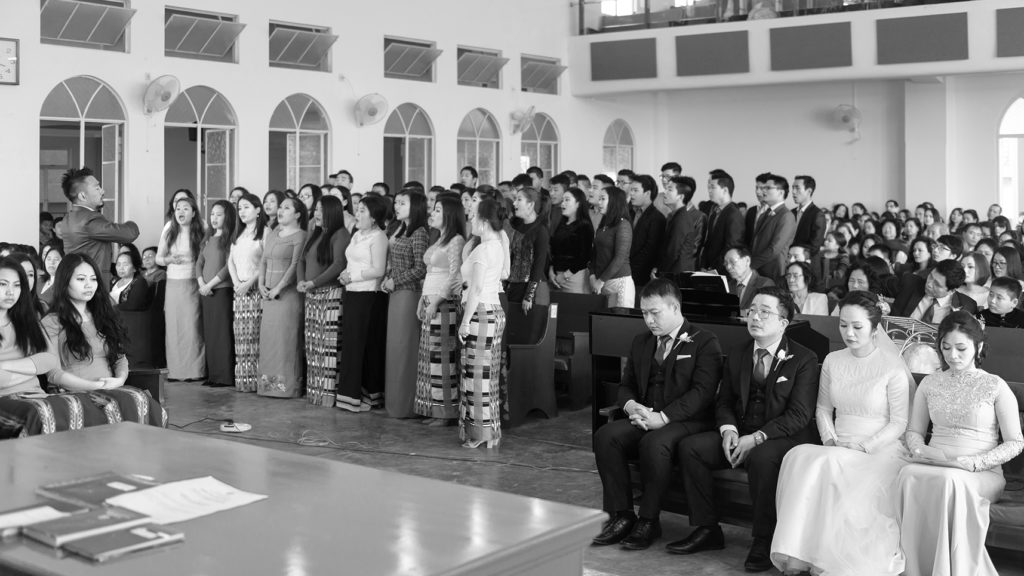
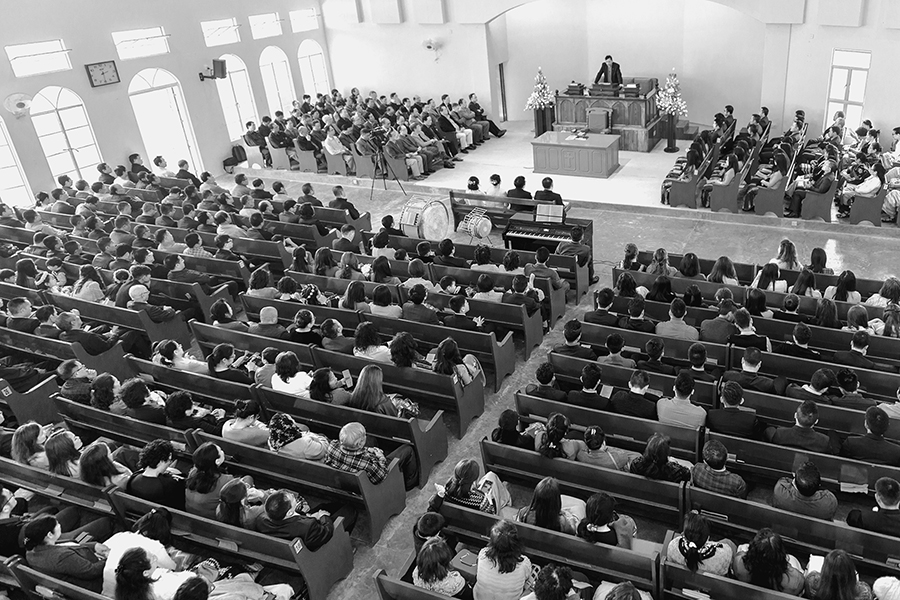
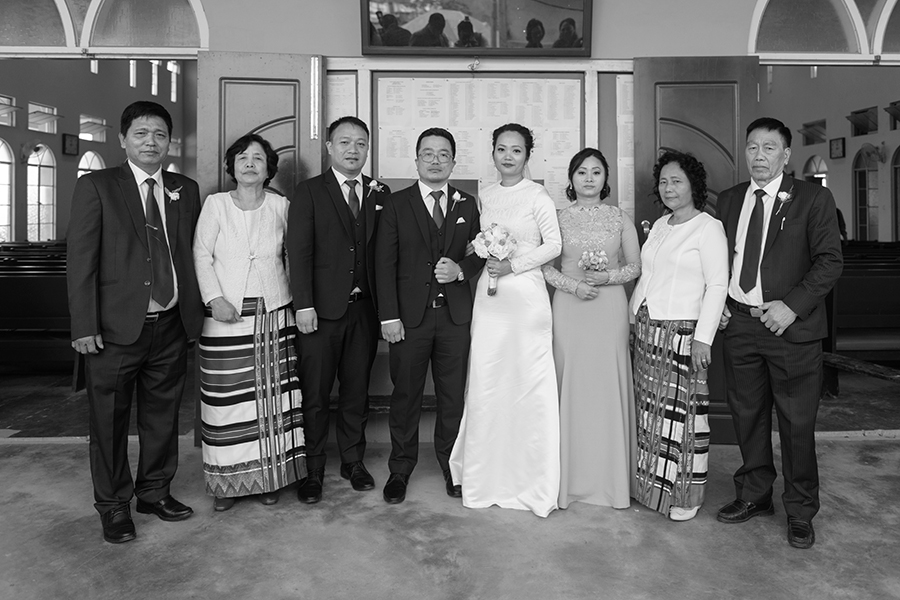
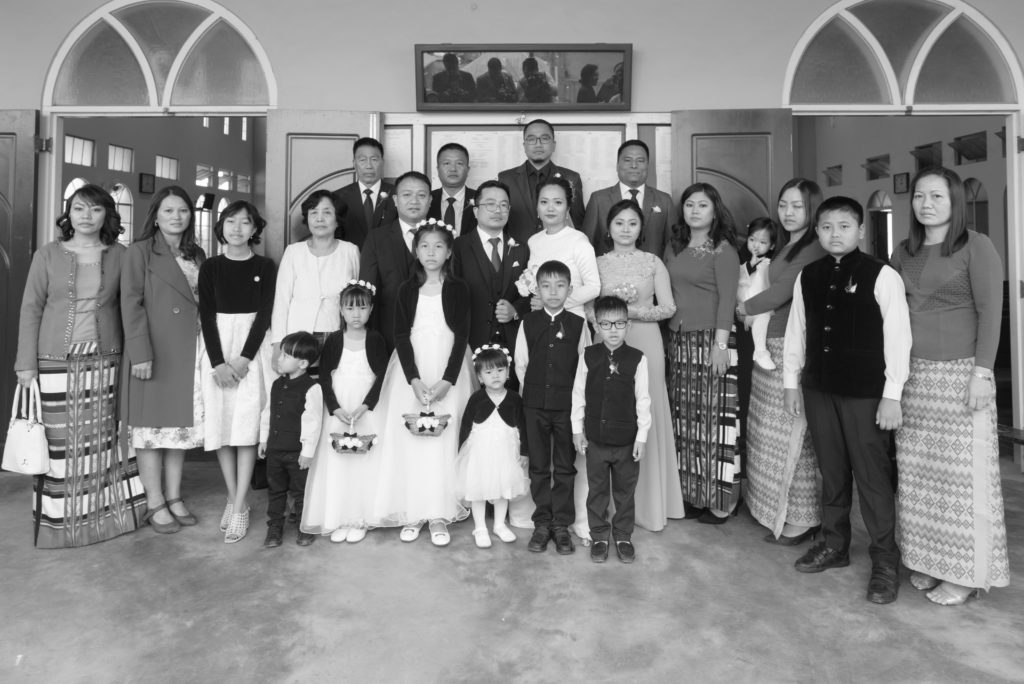
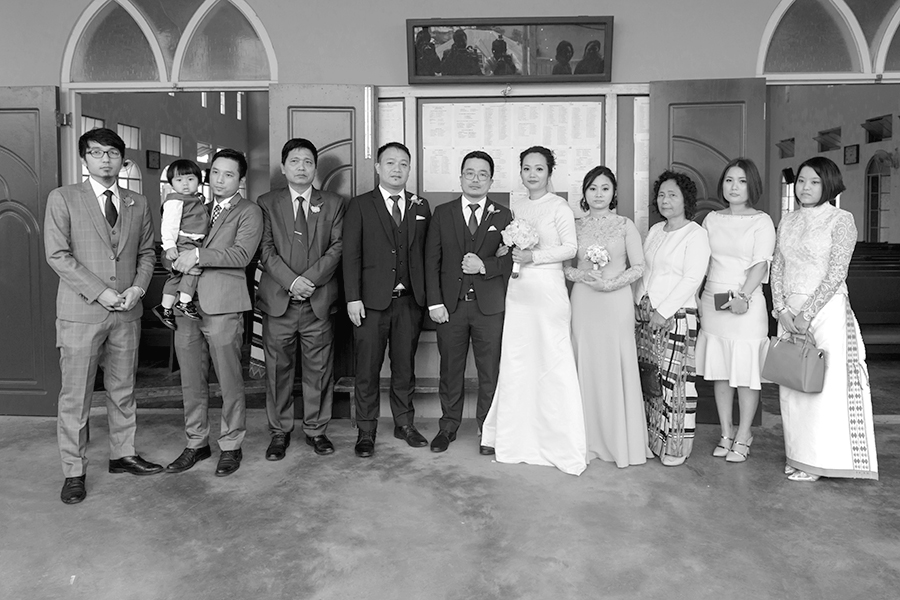
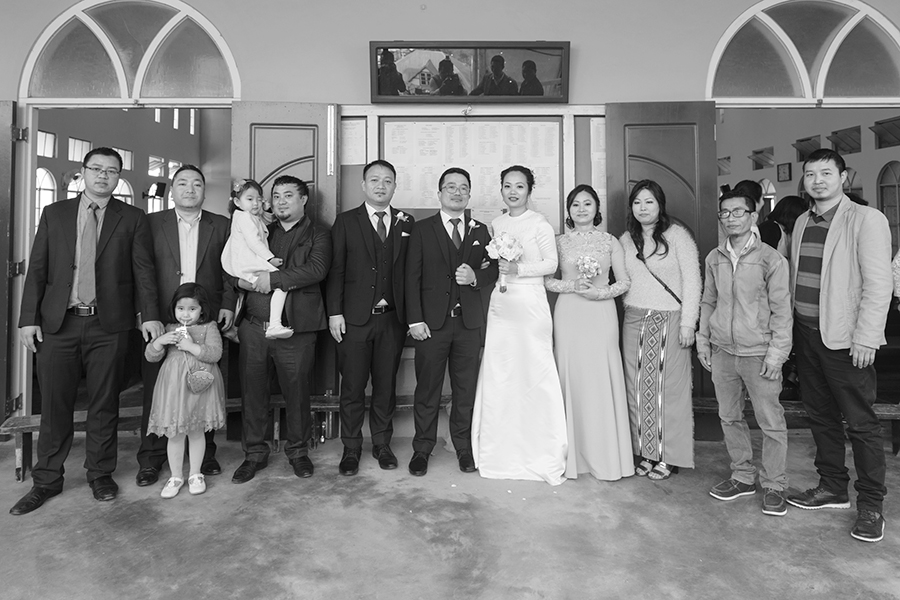
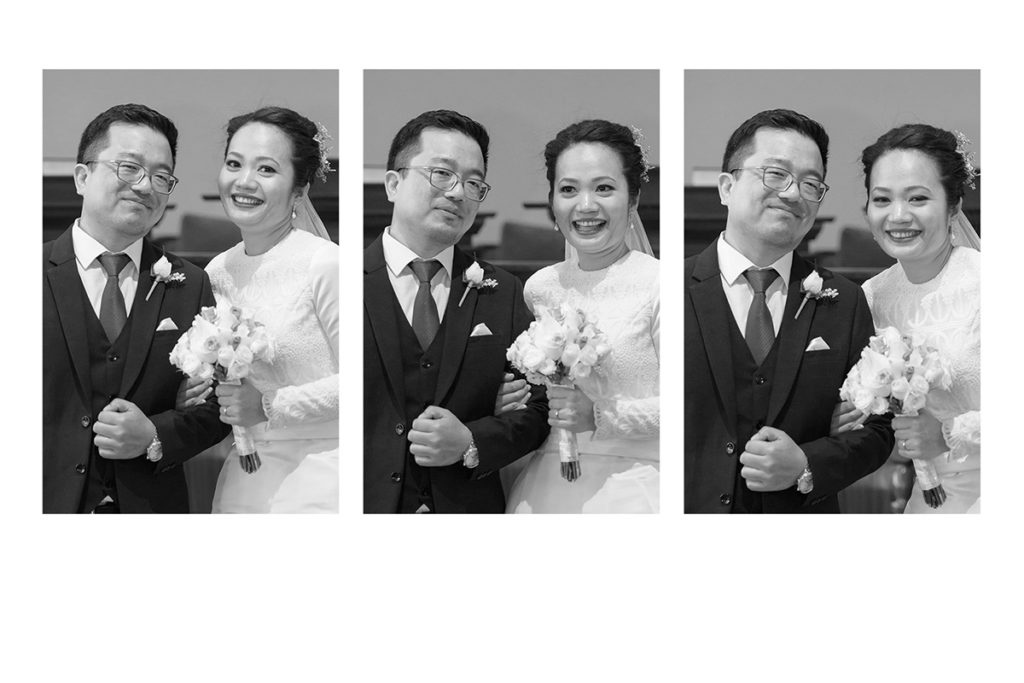
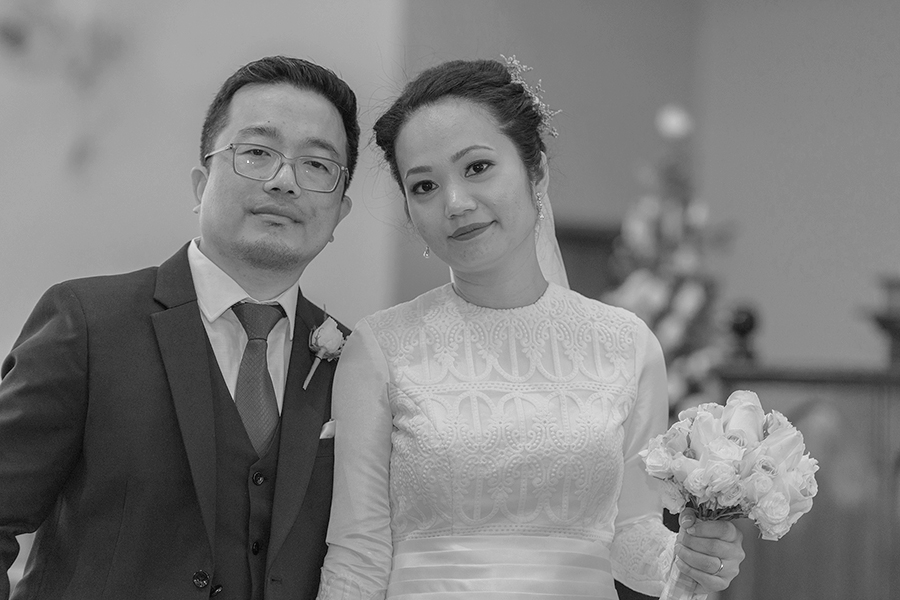
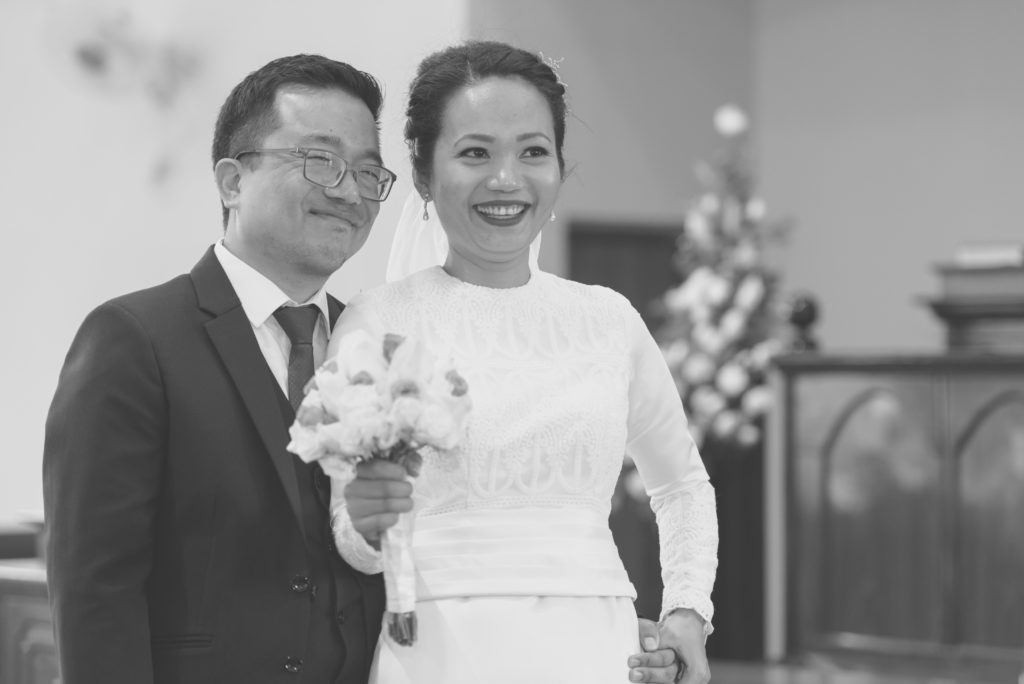
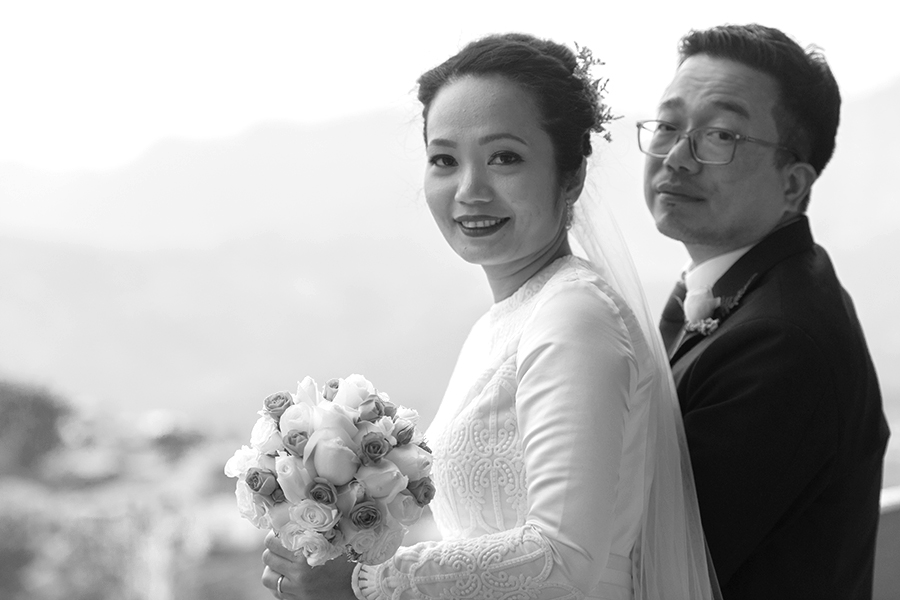
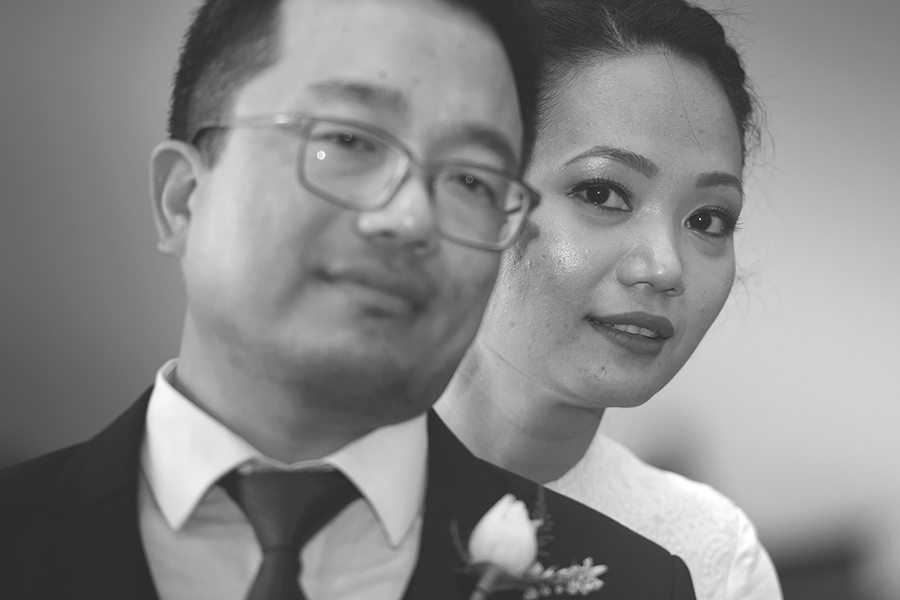
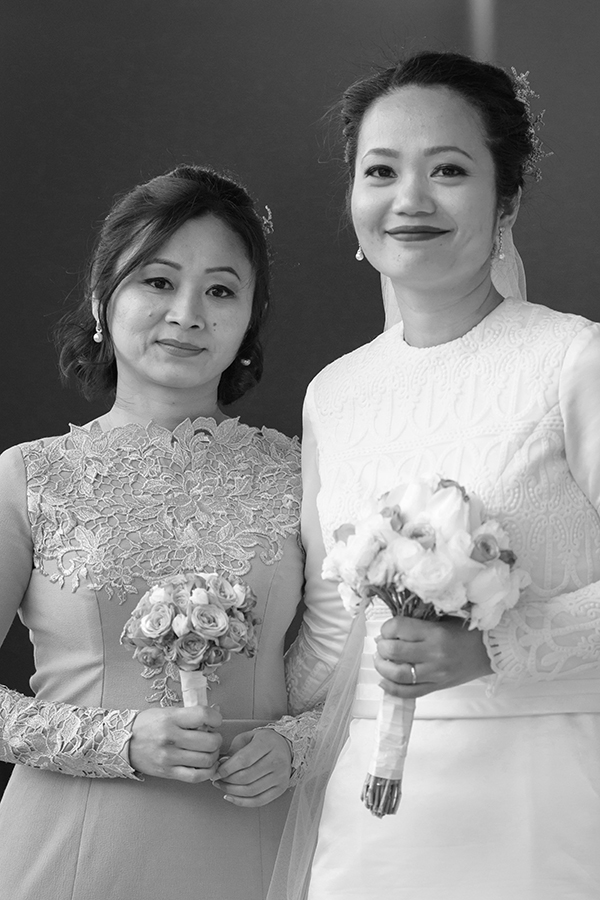
Feb. 8, 2018 will always be cherished, for it was on that day that Becky and I became one. To commemorate our first anniversary, here are some pictures, a photo story of our wedding.
Final checking with the bridesmaidThe happy oneKimkimi, my neice…I do“I now pronounced you husband and wife…”Receiving a blessings from the MinisterWhat were we discussing, was it Chemistry or Ecology? 😀“Hallelujah! For the Lord God Omnipotent reigneth.”The congregations…Never expect such a big turn out! The Mizoram Synod Choir sang one my most favourite hymn…All that I am, and ever wanted to be, I owe it all to Thee! (My Tribute by Andraé Crouch)A prayer from Upa ThangchhungaBenediction. Rev. C. RosiamaDown the aisle…Mr & MrsOur parents…interchanged 😀The ChhakchhuakThe in-lawsThe Chi-Uih Crew…our CrewKhawvel thiante – Group InsomniaThe Old Model [Lungmantam] since 1996Rawngbawlpui tewith Dr. B-a, a research colleague
Without families and friends, we are nothing. It is divine to have such a lovely family and a supporting friends. Our Wedding was a perfection because of all the well wishers, families, friends, the Choirs and especially the bridesmaid, Am-i and the best man, Aduha.
A grand Welcome
I am more comfortable behind the camera than in front; neither was she. Yes we love the portrait session because we laughed heartily. We were not a great poser, but we don’t fake! We just love being ourselves…these are us, nothing more, nothing less.
Tomorrow morning if you wake up, And the sun does not appear I, I will be here.
If in the dark we lose sight of love, Hold my hand, have no fear Cause I, I will be here
I will be here when you feel like being quiet When you need to speak your mind, I will listen and I will be here when the laughter turns to cryin’ Through the winning, losing and tryin’ We’ll be together ’cause I will be here.
Tomorrow morning if you wake up, And the future is unclear I I will be here As sure as seasons are made for change, Our lifetime’s are made for years So, I, I will be here
I will be here and so you can cry on my shoulder, When the mirror tells us we’re older, I will hold you and I will be here to watch you grow in beauty And tell you all the things you meant to me I will be here
I will be true to the promise I have made To you and to the One who gave you to me I will be here
And just as sure as seasons are made for change Our lifetime’s are made for years So, I I will be here we’ll be together.
It was Dec. 5th, 2012 05:30 a.m., I was awakened by the most irritating tone of all…an alarm! Waking up at such an hour in a winter morning was not in my routine, if not for a very special occasion. The previous night, I packed my backpacks, keeping everything ready for an early morning Royal ride. As usual, camera, tripod, gps, ors, chocolate, country made knife, torch, a puan-nuam embedded in a sleeping bag etc. were in my bag. Since it was winter, no insect repellent cream was required. Tent was with B-a.
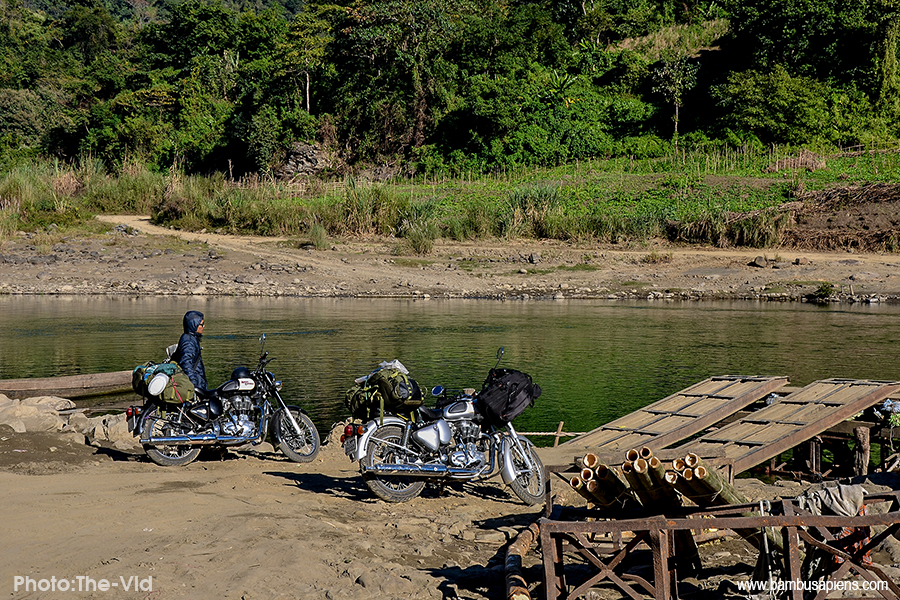
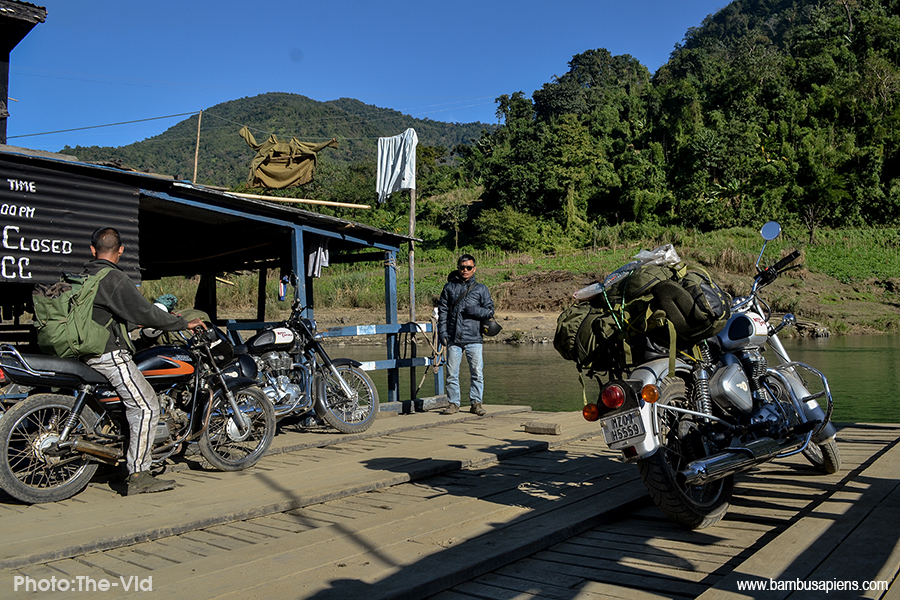
Firing my ride, I head on to our RV at Ngaizel. My friend B-a, with whom I’ll be traveling was from the West end of the city while I’m from the East end, and we’re heading south. B-a soon arrived. Filling up our fuel, we move ahead towards our destination. The plan was to reach Sangau as early as possible; which is around 230 Km from Aizawl. We took the World Bank road, and at Chalkhan we take a left turn towards Serchhip. At Sailiamkawn, my partner was stopped by the Assam Rifle Jawans. He was also equipped with knife, camera, gps and other gadgets, may be those looks suspicious. After a while he joined me again. I don’t know why was I not stopped! After having our meal at Keitum, we continued. It was almost 02:00 p.m. when we reached the Tuipui D, where we had to wait for our Royal Enfield to be ferried accross the Chhimtuipui by a mar-boat.
At the Tuipui D pier, waiting for the mar-boat
The mar-boat service there had a special guidelines that made us to wait until two LMV arrived.
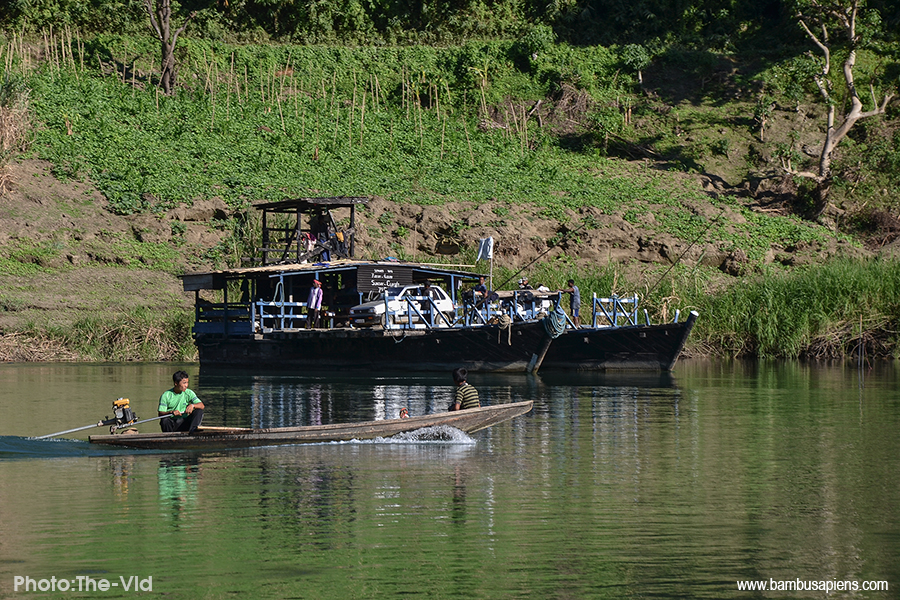
Vehicles were ferried by a mar-boat
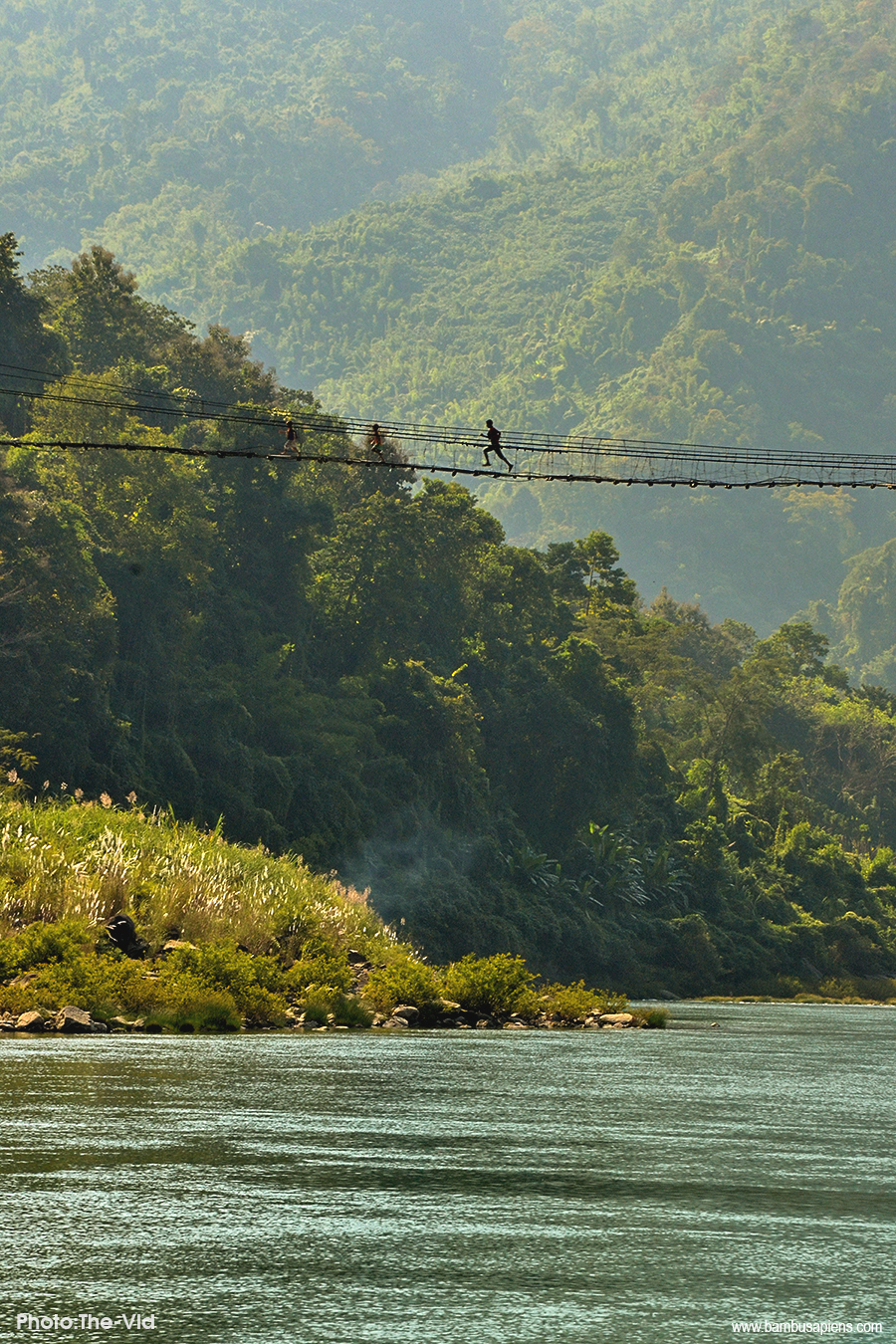
Suspension Bridge for pedestrian
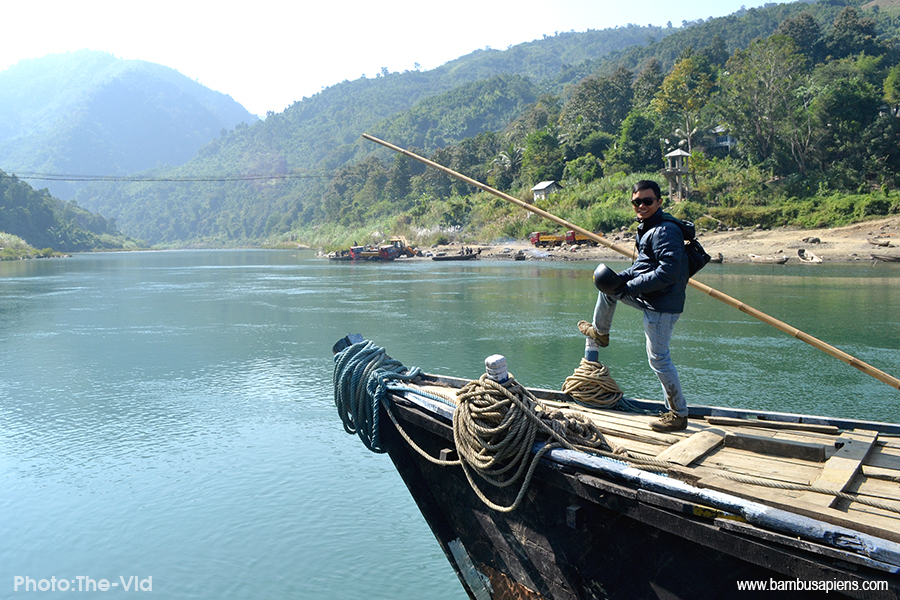
The mar-boat service here at Tuipui D is the life-line of the South-Eastern Mizoram. The service is operated by the BRTF, 7:00 a.m. to 4:00 p.m. daily except on Sunday. A pedestrian suspension bridge across the river was the only other option available, then.
During monsoon, when mar-boat service is not available, passengers transit, walking across the suspension bridge, catching another vehicle on the other side.
After waiting for a while, finally the mar-boat landed. We loaded our bobber, waiting for others to turn up. In less than 2 minutes, we were ferried across.
Finally we hop on, another vehicles joined us
The areas around the Tuipui D pier had been protected by the Villagers; as we transverse the river, a school of fish swum around the boat. It was so fascinating that I forgot to click a picture of them fishes!
From Tuipui D, The road to Sangau was mostly on the eastern slope of the hillocks, which make it kinda chilly. The moment when we were on the sunnier side, we have to stopped by, exposed and warm up ourselves. After reaching South Vanlaiphai, a Village next to Darzo, the sun was almost setting. The road was re-surfaced, which left lots of pebbles and made it difficult to ride swiftly. When we arrived at Sangau, it was already dark. We headed straight to our host, who was the relative of my partner.
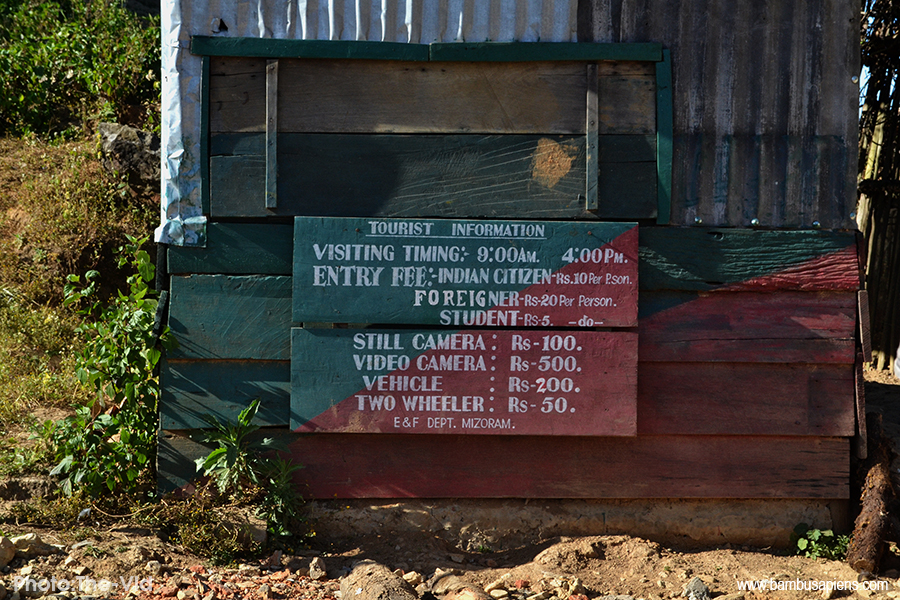
Ticket Counter at Thaltlang
Sangau to Phawngpui
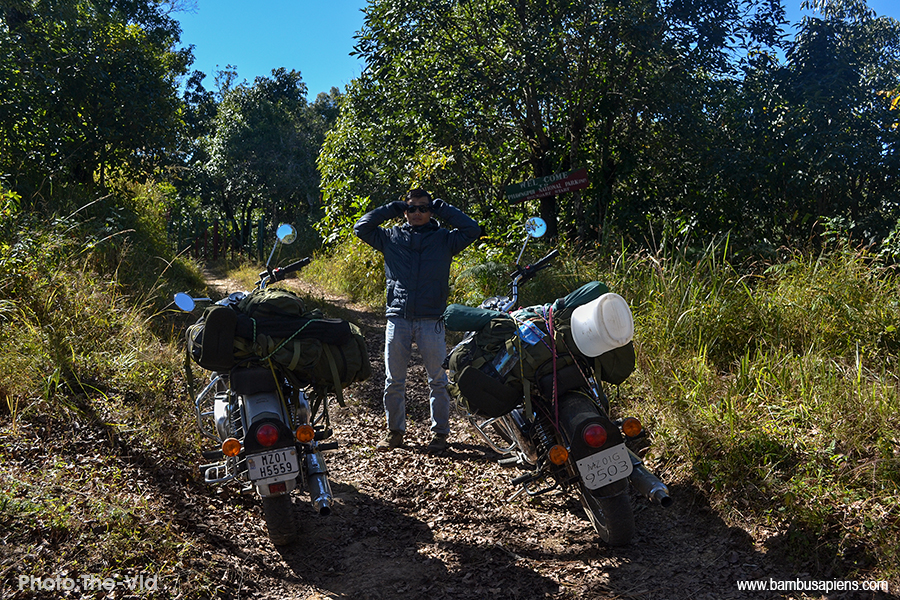
The next morning i.e., Dec. 6, 2012, we continued our journey, driving towards Farpak, the last point where a vehicle could reach. Since my partner had a permission from the CWW, to conduct his research at Phawngpui, we very oftenly had a field work there, hence, the workers were also familiar with us.
At the entrance of the core area of the Phawngpui National Park
Ascending ~ 500m with a Royal bobber was one hell of an experience. It was a fair weather road. That was not the hurdle, though. But the steepness was. From Thaltlang to Farpak, it was not more than 6 Km. Had we measure the slope percentage, it would definitely be 100% and above.
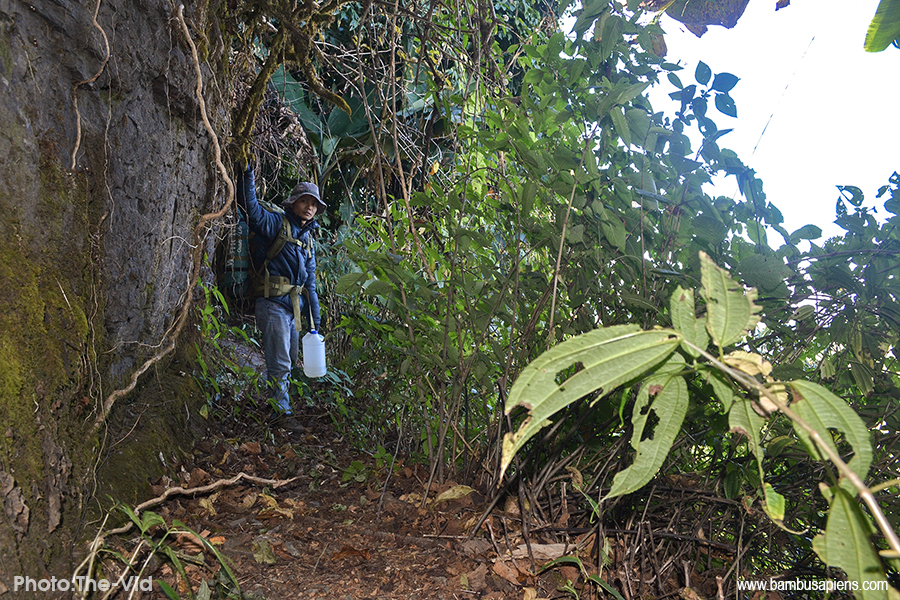
Finally, we arrived at the Farpak, we parked our bobber at the Old Rest House. We filled our gallon and bottles with water, gearing up for another 7Km uphill trek. The elevation at Farpak was ~1900m and our destination, the peak, was 2157m msl. Since it was not our first time, we were well aware of the patrolling path.
A narrow path, midway across Farpak to Phawngpui peak
Since there was no water-bodies near the peak, we had to carry maximum amount of water, and that put on another weight. On the way to the peak, sometimes, you have to crawl beneath the clumps of Schizostachyum fuchsianum. And sometimes, through the tall and thick grasses.
Rest to regain 😀
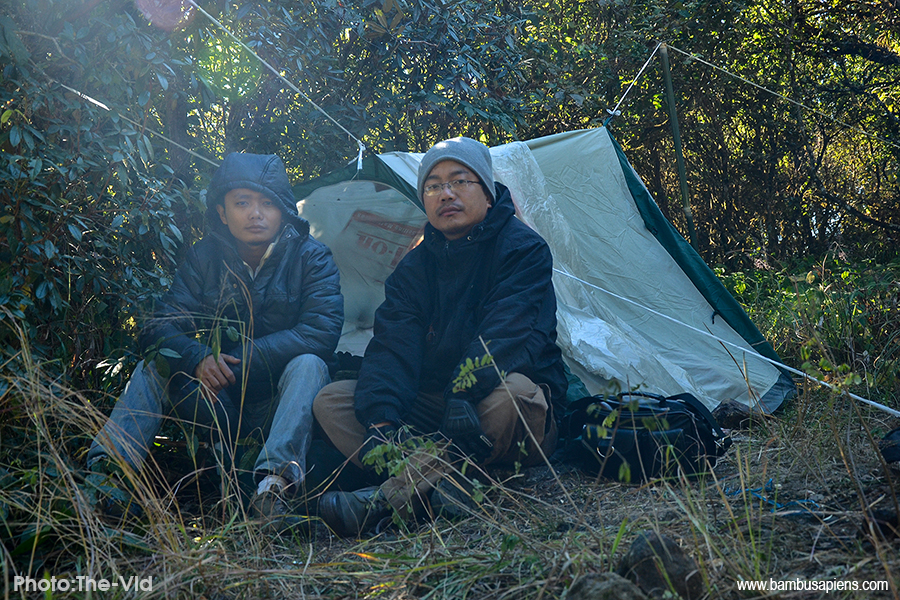
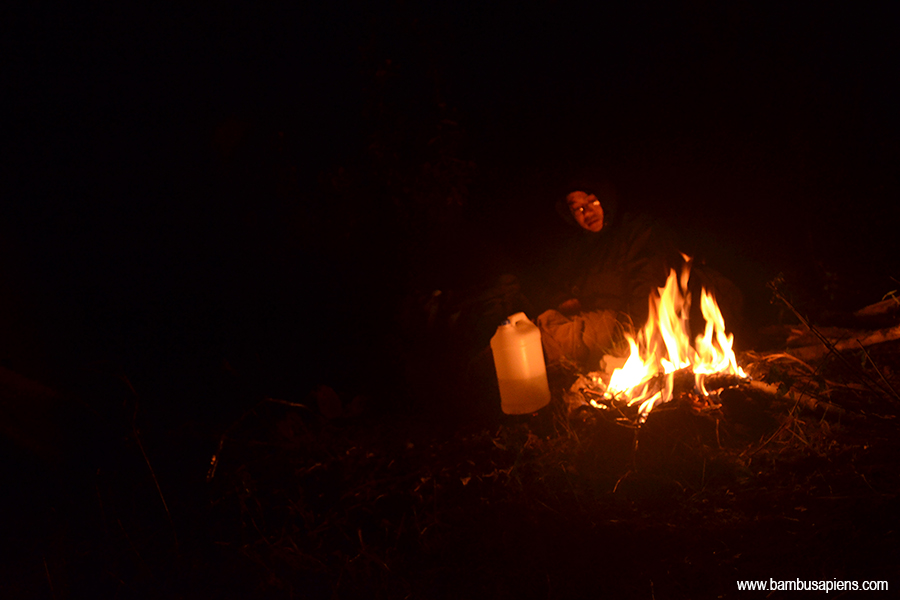
It took us 3½ hrs to reach the peak. Setting up the tent and igniting a fire were the first priorities. After which, we started our work.
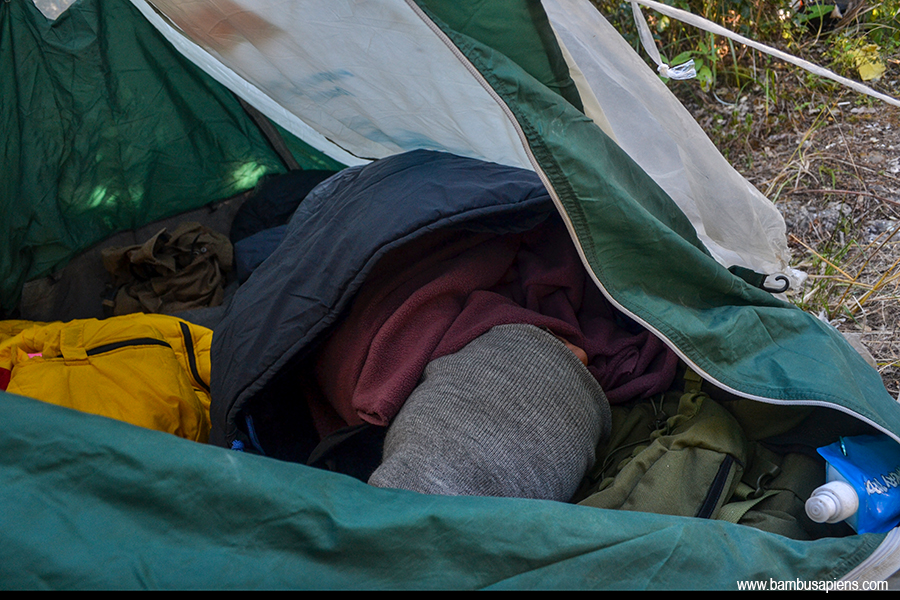
Our camp at the summit
A night at the peak
An early morning portrait 😁
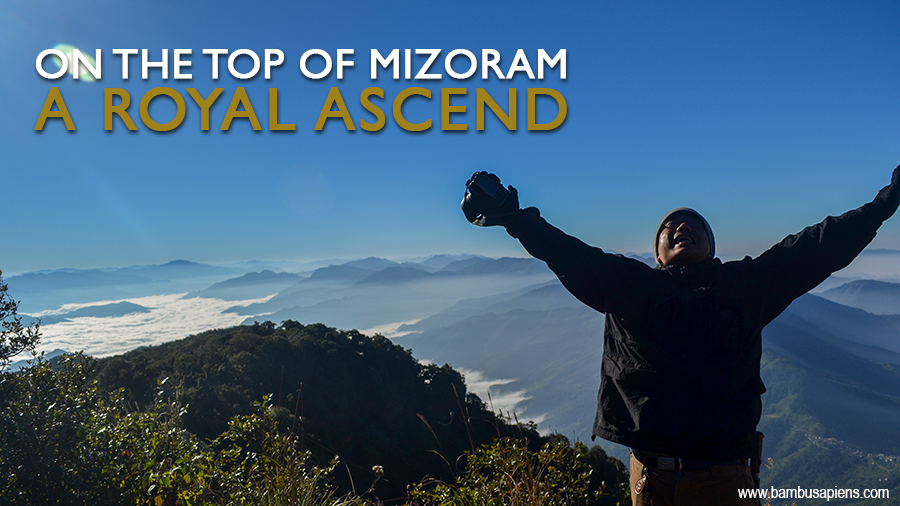
A view from the peak: Siachangkawn Village in the mid-bottom; Lungtian Village at the rigth extreme corner. Siaha town flooded by a mist.
On the top of Mizoram
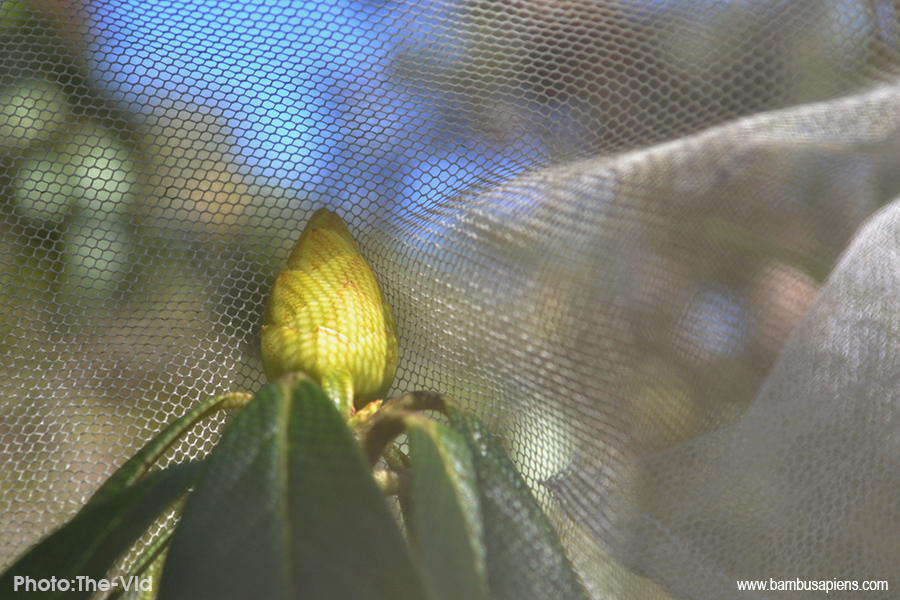
I was accompanying my Phenologist friend. The main purpose of the trip was phenology. My comrade, B-a, how we call him, was pursuing his doctoral research on the phenological aspects of Rhodondendron vernacularly termed as “Chhawkhlei” in Mizo. Phawngpui National Park (PNP) is one of the few places where Rhododendron grows in the wild, here in Mizoram. Apart from PNP, it is also found at Tualcheng, Champhai, Ţan tlang, Lurh tlang, Farkawn and East Khankawn. The genus is confined in the Eastern highlands of the state.
Manipulating the polination of a Rhododendron vaechiatinum
Even though I often accompanied him on his field work, I have very limited knowldege of phenological sciences. What we usually did, as I could recollect, was covering the buds of a Rhododendron with a net, so as to manipulate its pollination; In a pixelated terminology, they might termed it hacking the pollination 😁. Most of the time, I was his photographer and his personal body guard. He was better in cooking, hence he cooked, while I’m better in chopping and splitting fuel woods, which I did. Like wise, we assisted each other.
Bud of R. arborea
There were at least three different species of Rhodendron at PNP. As far as my understanding is concerned, these species grows in a very specific ecosystem. Survival rate and regeneration rate is also very low. Dormancy also is long. Wildfires often threatened its survival.
PNP
Phawngpui National Park (PNP) is one of the 10 protected areas, and one of the two National Parks of Mizoram, it covers an area of 50 Km². Entry is permitted after paying necessary fees. However, collection of specimen, cutting of plants, killing, snaring and catching of wild animals are strictly prohibited. For research purpose, permission has to be acquired from EF&CC, GoM. Entering the Park without a guide is also prohibited.
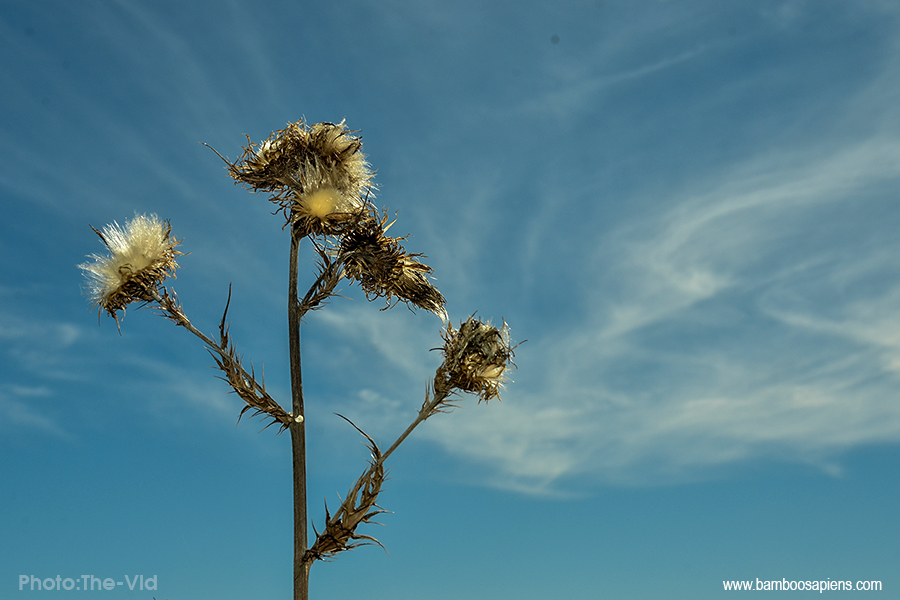
Fading glory … A dry Saiburh flower…one of the most common herb at Farpak.
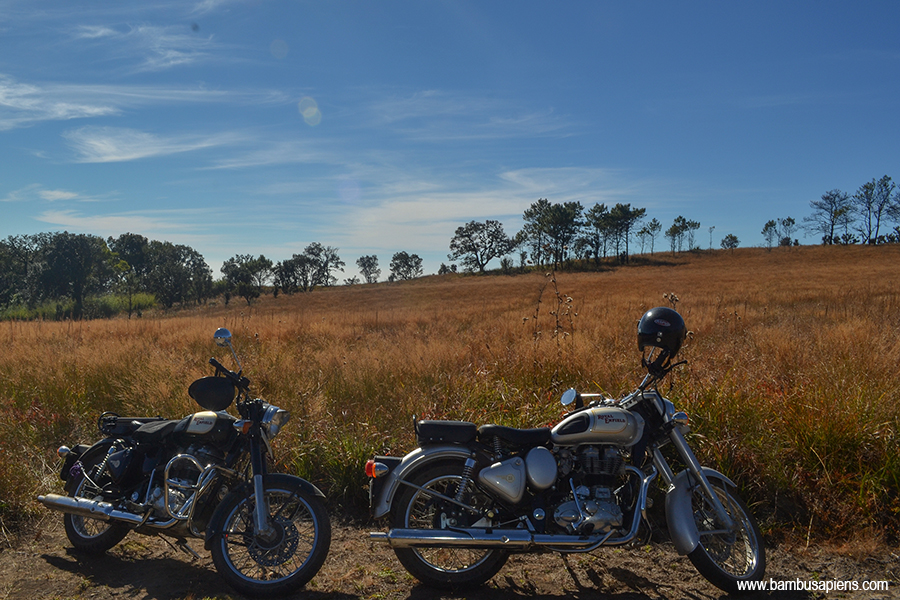
Two Royals at Farpak
Homeward bound
We were done! We’re homeward bound. Trekking downhill and riding downhill were equally uncomfortable. As long as the wheel rotate, it was fine, but there were moments when the wheel could not rotate but slide on the pebbles. After carefully riding downhill, we finally managed to reach Thaltlang. We halt a night at Sangau; the next morning we continue our journey back home.
Homeward bound
At Tuipui D, it was the same ol’ story, waiting for the mar boat and two other LMV. But this time, it was an HMV that turned up.
A Royal pose at the Mar boat on our way back.
After an intensive research work for years, the Mizoram University finally awarded him a Doctorate degree. You can reach him here https://www.facebook.com/malsawm.kima.7
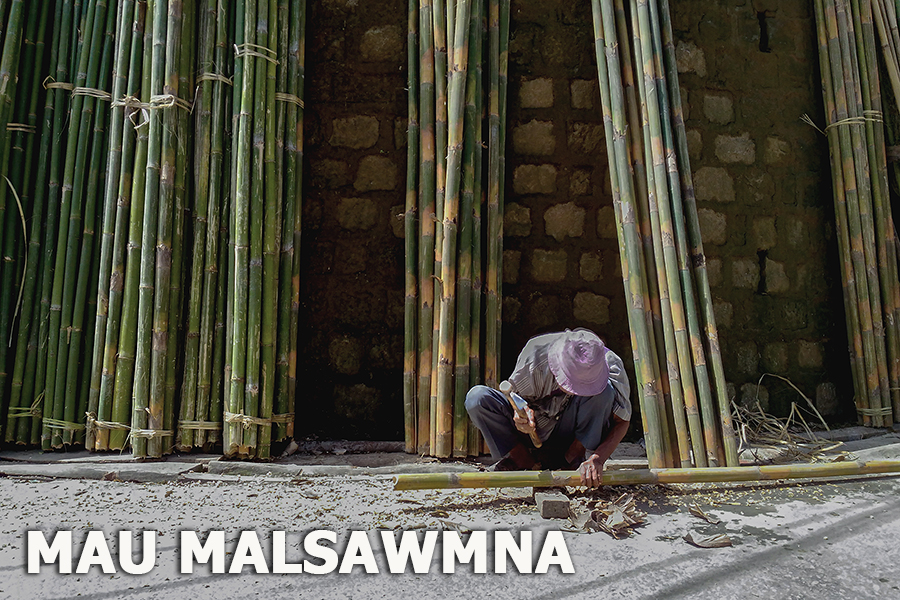
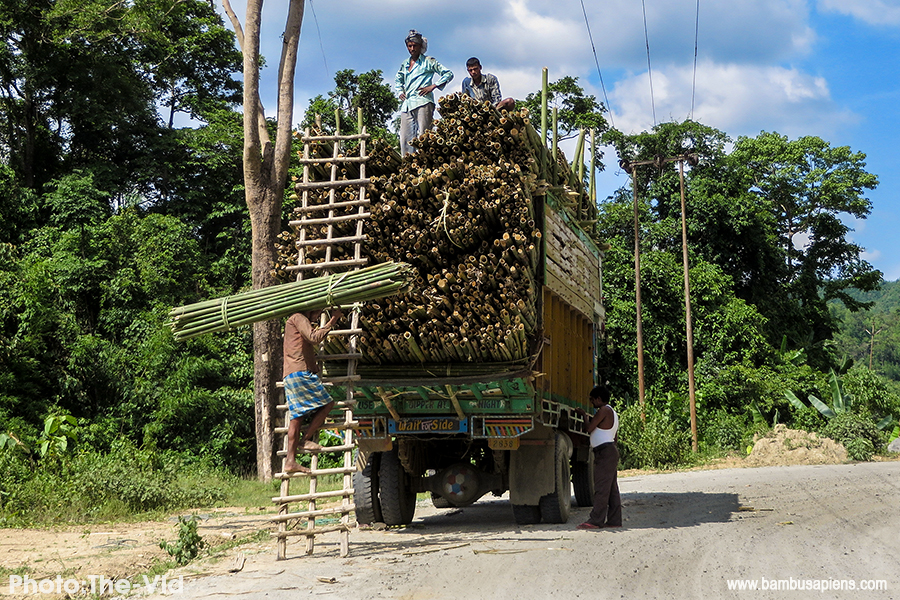
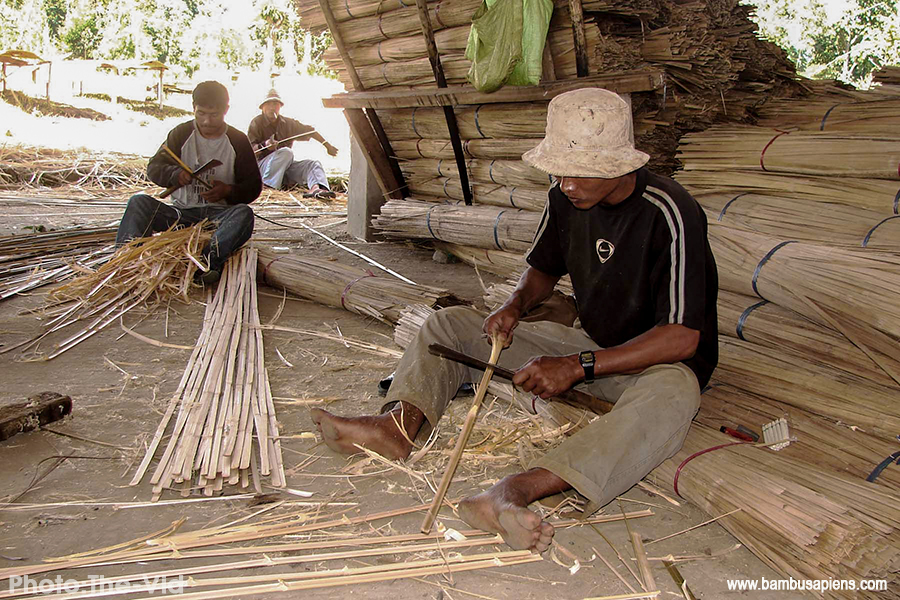
Khawvela hnam chi hrang tam tak zinga mau leh rua buaipui nasa ber te zinga mi chu Mizote hi kan ni awm e. Keini ang bawkin India hmarchhaka hnam hrang hrang te leh Asia rama hnam hrang hrang, a bikin Asia chhim chhak lam hnam te pawhin an hmang ṭangkaiin an buaipui nasa hle a. Mau leh rua pawh chi hrang an ngah hle bawk. Kan hnam azirin kan hman dan a inanglo a, deh-hnanga kan themthiam dan pawh a inthlau viau bawk.
Sihphir Puansen ram-ah hian dan lovin khua din a ni a, a vel ramngaw a chereu nasa hle. Nasa taka an beih hnuah Sihphir khawtlang chuan dan lova awm te an um chhuaka, sanctuary atan an cheibawlin an humhalh ta a, reilote chhungin ramngawah, mau hmun ṭha takah a lo chang leh ta
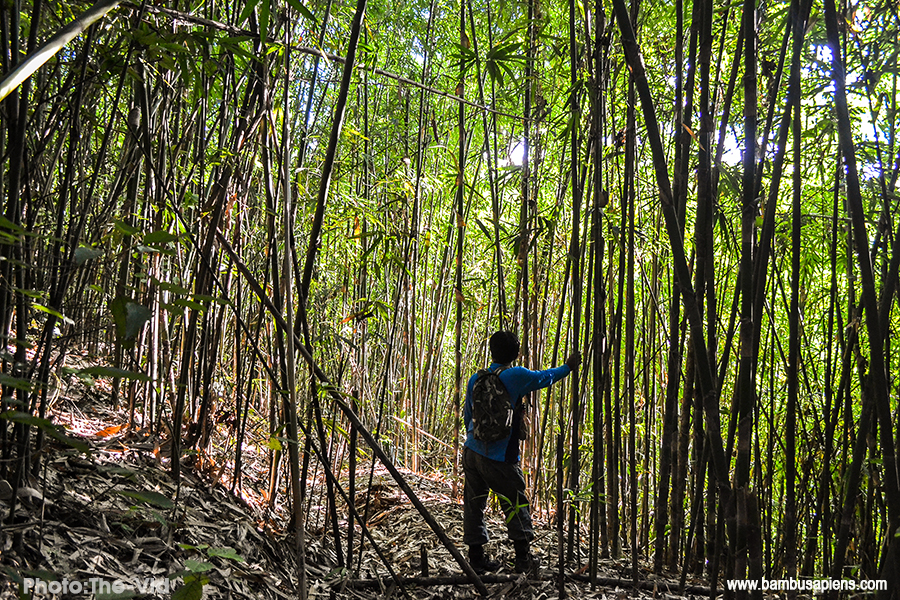
India ramah hian mau leh rua (tun aṭang chuan mau tiin kan sawi tawh ang) chi hrang 125 (tualṭo) leh 11 (lakluh) a awm ni a ngaih a ni a, heng mau leh rua hrang hrang te ṭona hmun belhkhawm hi 156866 sq. Km zeta zau a ni (SFR 2017). India hi khawvela mau leh rua ngah berte zinga mi niin, China dawttu ni a sawi a ni a, a ngah ber anga sawi an awm bawk. India ramah chuan India hmarchhak, leh West Bengal, Madhya Pradesh te leh Chhim thlang lam hi mau leh rua ṭona hmunpui a ni a, India Hmarchhak state hrang hrang a awmna hmun hi India rama mau hmun awm zat za a 32 zet a ni thung (SFR 2017).
Mizoram dinhmun
Mizoramah hian mau leh raw lam chi tualṭo 25 leh lakluh 10 a awm nia ngaih a ni bawk (E&F 2010). Mizorama mau zingah “Mautak” (Melocanna baccifera) a tam ber a, mau lam chi kan neih za a sawmkua zet hi mautak nia ngaih a ni. Rawṭhing, Rawnal leh Phulrua te hi Mautak tihlohah chuan a tam ber te zinga mi a ni. Kum 2009 khan Forest Research Institute (FRI) lama mithiam Dr. HB Naithani-a leh a hoten Mizoram aṭangin mau chi thar, khawvel hmundang aṭanga report a la awm lo – Talan (Bambusa mizorameana) leh Dampa mau (Bambusa dampaeana) an hmuchhuaka (Naithani et. al. 2009, 2010), ‘talan’ hi chu Mizoten kan hriatṭhan sa pangngai a ni; anmahni vêk hian Manipur ramah ‘talan’ an hmuh thu an tarlang bawk.
State of Forest Report 2017-in a tarlan danin Mizorama mau ṭona hmun zawng zawng hi belhkhawmin 3267 sq. Km a ni a, report hmasa, SFR 2011 aiin 5978 sq. Km zetin kan mau hmun a kiam thung. Hei hi a chhan chhui chian ngai tak a ni. Kum 2006 chhoa mautam aṭangin mau chi hrang hrang a tah tawlin a tam chhho zel a, mautak, phulrua leh rawthla te a tam a, kum 2012 aṭangin rawnal a tam ṭan ve leh a, tun thlengin a la tam chhunzawm a. Kum 2015 khan Zawlnuam leh a chhehvelah rawṭhing a tam tlat bawk (Vanlalfakawma et. al. 2017).
Mautam hnuhnung bera tam ho khan ngai a awh chho leh ṭan tawha ngaih a ni a, chutih rual chuan mau hmun thildang atana hman zui tak a awm nual niin a lang bawk. Tun dinhmunah hian Mizoramah hian mau pum maktaduai 706 a awm nia chhut a ni a, SFR 2011[1] aiin pum 1489 zetin a kiam bawk.
Muthi lui kama Rawnal (D. longispathus) hung
Tun dinhmunah hian Mizoramah hian mau pum maktaduai 706 a awm nia chhut a ni a, SFR 2011 aiin pum 1489 zetin a kiam bawk. Mautam nghawng ai mahin ram leilung kan enkawl dan avanga mau hmun hi lo kiam a, mau pum zat hi lo kam ta duai niin a lang.
Mizo mau nge ṭha ramdang mau?
Ramdanga an mau te lakah chuan Mizorama kan mau te hi chu a chhah zawngah chuan a chhah lem lo viaua, a pum pawh a lian lo deuh zawk. Chutih rual chuan Mizoram kan mau neihsa te hman ṭangkai dan kawng zawng silova ramdanga an hman dan anga a hman hleihtheih loh avanga Mizorama mau te hi hmantlak lo leh chhe lailet dera kan puh ṭhin hi chu kan duhthawh deuh mah mah niin a lang. DN Tewari (1992) chuan “mautak hi paper ṭha bik siam nan an hmang ṭhin” tiin ‘A Monograph on Bamboo’ tih buah a sawia, hei ringawt pawh hi bawhzui tham a ni ang.
Mizoram mau Phai lama phurh thlak tur…@Saihapui
RIPANS leh MZU lama Mizorama mau ten Cellulose an pai zat an zirchiannaah chuan mautak leh rawnal te hian khawvel ramdanga an zirchian tawh thing leh mau chi dang te aiin cellulose a pai hnem zawk a ni tih an hmuchhuaka (Pachuau et. al., 2013; 2014). Tin, MZU-a an zirchiannaah Mizoram mau chi thum – Mautak, rawṭhing leh rawnal ten khawvel tilumtu boruak thianghlim lo – Carbondioxide (CO2) a eiral hi khawvel ramdanga mau ten an eiral aiin a sang zawk a ni tih an hmuchhuak bawk (Vanlalfakawma, 2018); China mau ṭha nia an sawi ṭhin, Moso mau (Phyllostachys edulis) ai pawhin a sang zawk nghe nghe.
Mizo Kristian te tan sakhaw dang biakna hmanrua, agarbati stick lo phurpui viau pawh hi a fuh zan em?
Mizorama bamboo vinegar siamtu langsar tak, Pu Saikhuma (SK Bamboo) chuan Mizoram tualṭo ngei a hman duh zawk thu leh vinegar a chhuah tam ber thu a sawi. Thawkkhat lai khan Agarbati stick siamna tur changchawiin mau chi thar, ram dang aţangin kan lalut chiam mai bawka. A ti nasa ṭhenkhat te kan kawm kualnaah chuan Mizoram mau hi a pan avangin a chhuak tlem deuh nain a khawng zawka, an duh zawk mah niin an sawi. Chumi piah lamah, Mizo Kristian te tan sakhaw dang biakna hmanrua, agarbati stick lo phurpui viau pawh hi a fuh zan em? Ngaihtuah tham tak a ni.
Rawtuai – mautuai leh a kaihhnawih
Rawtuai leh mautuai hi Mizo te hian kan ei nasa hle mai a, keini ang bawkin khawvela hnam hrang hrang te pawh hian an lo ei nasa ve tho mai bawk. Rawtuai khawrh hi a pawi em? Khap tur a ni em? Tih zawhna hi a ri a ring hle ṭhin, tun thleng pawha la chhan mumalloh niin a lang. Mizoram tan bika felfai taka zirbinga thultukna leh rawtna mumal tak hi a la awmlo niin a lang bawk. Rinthu leh thu puarpawlenga inhnial ai chuan a taka zirchian mai hi a fuhin a rinawm.
Rawtuai khawrh leh khawrhloh tluk zeta pawimawh chu mau pum sah leh sah loh hi a ni. Rawtuai khawrh dan chungchanga kaihhruaina kan neilo ang bawkin mau sah dan chungchangah pawh kaihhruaina mumal kan neilo niin a lang. A bik takin mau pum kan sahin a upat dan kan ngaipawimawh lemlo niin a lang. MZU-in kum 2014 leh 15-a an zirchiannaah Aizawl veng hrang hranga mau pum zuarho zawrhlai a enfiaha, heng zinga a tam zawk hi tuai tê tê, kum hmasa tuai emaw, kum 2 la tlingo emaw a ni fur tih hmuhchhuah a ni (Lalremsang et. al. 2017). Kum 3 tal a tlin hmaa sah hian mau ṭhang zel tur a ti ṭhuanawp hle a, a hung pawhin a tuar thei hle a ngaih a ni (Salam & Deka, 2007). Mau pum kan sah nasat lutuk chuan rawtuai insiam tur a tibuai pha tih hi khawvel ram danga zirmite hmuhchhuah a ni. Chutih rual chuan sah ngailoh leh a tuai khawrh ngailohnaah chuan a hung a tawta, a zungpui insiama ṭhang zel tur a ti ṭhuanawp thei thung (Salam & Deka, 2007).
Mizoram mau, Langkaih lui kaltlanga phai lama an tawlh… Pic. Courtesy: Ap-a
World Bamboo Day
Kum 2009-a Bangkok-a World Bamboo Congress vawi 8-na chuan September 18 hi World Bamboo Day (WBD) atan a puang a, hemi a chinah kumtin thupui bik neiin hman ṭhin a ni ta a ni. Kumin World Bamboo Day thupui atan World Bamboo Organization chuan “Sustainability = Environment + Society + Economy” a thlang a, mau hmanga hmasawnna ṭhang dik neih theih dan tur, environment tana pawi silo, mipui te tana hmasawnna ni si, ram economy tana ṭhanna thlen thei tur si chungchang a ni ber awm e.
Khawvel ram hrang hranga zirmite chuan mau hmanga eizawng te dinhmun nasa takin an zira, mau hmanga sum leh pai dehchhuah dan ṭha zawk tur an duang chho mek zel a, a awmsa tihpun kawngah ṭan an la nasa hle. Pi-Pu hunlai aṭanga an lo hman dan hnualsuat lovin, a ti hmasawn zawng leh hralh tlak lehzual turin an cheihnum a, a tlo leh zual theih nan a vawnṭhat dan te pawh an ngaihtuah nasa hle bawk. Tin, tarlan tawh angin khawvela thlai zinga ṭhang chak ber a nih miau avangin mau hian environment siam ṭhat kawngah a thawhhlawk hle tih hi hmuhchhuah zel a ni bawk.
Mizorama Bamboo Indutry hlun ber chuan Bamboo matply leh a kaihhnawih siam nan Mautak leh Rawnal an duh ber tlat!
Mizo society leh culture-a bet nghet tak, kan rama mau te hi tun aia hman ṭangkai dan leh hlawk zawk kan ngaihtuah a ṭul a, chu chu kan bat pawh a ni. Ramdanga an tih tawh ang tih ve a, an mau ang chawk luh chiam ai chuan kan ram mau ṭhat bikna ngaihtuah chunga hlawk leh ṭangkai thei ang ber tura kan ram mau te kan hman hi kan mawhphurhna a ni. Chumi rual chiah chuan a sah hun leh khawrh dan te, enkawl dan ṭha zawk te pawh nasa leh zuala kan inzirtir a pawimawh hle bawk. Mau kaltlanga malsawmna kan dawn mêk hi kan dawn chhunzawm zel theih nana malsawmna inthup hi hailang zel turin kan puanven i sawichhing sauh sauh ang u khai.
[1]State of Forest Report (SFR) 2011 hi kum 2009 – 2010 chhunga zirchianna, kum 2011-a tichhuah a ni a, chutiang zelin SFR 2017 hi kum 2015 – 2016 chhunga zirchianna kum 2017-a tihchhuah a ni bawk.
Thulakna te:
David C. Vanlalfakawma, F. Lalnunmawia, and S.K. Tripathi (2018). Bamboo Ecosystem: An Untapped carbon trading resources. In: Climate Change and Developing Countries (Ed. Banshaikupar Lyngdoh Mawlong). Cambridge Scholars Publishing, UK. Pp. 222 – 236. ISBN (10):1-5715-1174-X; ISBN (13): 978-1-5275-1174-3
David C. Vanlalfakawma, F. Lalnunmawia, S.K. Sen, and S.K. Tripathi, (2017). Sporadic flowering of Bambusa tulda in Mizoram: A preliminary report. Sci Vis. 17(3):160 – 162.
Environment & Forest (2010). Bamboos of Mizoram. Environment and Forest Department. Government of Mizoram, Aizawl. Pp. 1 – 206
Lalduhsanga Pachuau, C. Malsawmtluangi, Nirmal Kumar Nath, H. Ramdinsangi, David C. Vanlalfakawma, Shri Kant Tripathi (2013). Physicochemical and functional characterization of microcrystalline cellulose from bamboo (Dendrocalamus longispathus). International Journal of PharmTech Research 5 (4):1561-1571
Lalduhsanga Pachuau, David C. Vanlalfakawma, Shri Kant Tripathi, H. Lalhlenmawia (2014) Muli bamboo (Melocanna baccifera) as a new source of microcrystalline cellulose. Journal of Applied Pharmaceutical Science 4 (11):087-094
H.B. Naithani (2009). Bambusa mizorameana, a New Species of Bamboo from Mizoram, India. Indian Forester 135(9): 1291 – 1292.
H.B. Naithani, S. S. Garbyal, N. S. Bisht (2010). Bambusa dampaeana – a New Species of Bamboo from Mizoram, India. Indian Forester 136 (7): 991 – 992.
Paul Lalremsang, David C. Vanlalfakawma and S.K. Tripathi (2017). Socio-Economic Potential and marketing trend of Bamboo in Mizoram: A case study from Aizawl District. Indian Forester 143(9):737 – 744.
Salam, K. and Deka, N.K.R. (2007). In: Kalita, S.N. (ed.) Training manual on Nursery raising, commercial Plantation, preservation and primary processing of bamboo). Cane and Bamboo Technology Centre Bamboo Technical Support Group for National Bamboo Mission, Guwahati – 781 024, Assam, India
SFR (2017). India State of Forest Report 2017. Forest Survey of India, GoI, Dehradun
[Vanglaini Vol. XXXIII No. 221 September 19, 2018-ah tihchhuah a ni]